Two-in-one: concomitant diffuse large B-cell lymphoma and cavernous haemangioma within the same orbit

Hong Kong Med J 2024 Jun;30(3):249 | Epub 4 Jun 2024
© Hong Kong Academy of Medicine. CC BY-NC-ND 4.0
 
PICTORIAL MEDICINE
Two-in-one: concomitant diffuse large B-cell lymphoma and cavernous haemangioma within the same orbit
Kenneth KH Lai, MB, ChB, AFCOphth1; Tiffany Ong, MB, ChB1; Tiffany HT Chan, MB, ChB2; Edwin Chan, FCOphth1; Andrew KT Kuk, FCOphth1
1 Department of Ophthalmology, Tung Wah Eastern Hospital, Hong Kong SAR, China
2 Department of Anatomical and Cellular Pathology, Pamela Youde Nethersole Eastern Hospital, Hong Kong SAR, China
 
Corresponding author: Dr Andrew KT Kuk (aktkuk@hku.hk)
 
 Full paper in PDF
 
 
Orbital tumours encompass a wide range of benign and malignant space occupying lesions that may arise primarily from the orbit or have spread from other sites in the body. They are rare with an incidence of 1 in every 100 000 and may lead to devastating complications of which mechanical compression causing optic neuropathy is the most important.1 Multiple orbital tumours of the same orbit are even rarer with most reported cases being benign homologous tumours such as cavernous haemangiomas or myxofibrosarcomas.2 3 A 58-year-old ethnic Han Chinese male presented in December 2021 with a 1-month history of right eye proptosis. He had no clinical sign of optic neuropathy. Computed tomography of the orbit revealed right axial proptosis and two separate lesions in the right orbit. One lesion appeared infiltrative and measured 2.2 × 1.5 × 1.7 cm3 (anteroposterior × transverse × longitudinal) at the extraconal space with retrobulbar extension between the lamina papyracea and the medial rectus. The other was an encapsulated mass with regular border located in the superolateral intraconal region measuring 1.9 × 1.7 × 2.0 cm3 and abutting the optic nerve. Both lesions enhanced mildly with intravenous contrast (Fig 1). Blood results revealed normal thyroid function and immunoglobulin G4 and white blood cell levels. Based on the distinguishing radiological features of each lesion, we performed a two-stage surgery for theranostic reasons. An incisional biopsy of the medial infiltrative lesion was performed first through an anterior orbitotomy via an upper lid skin crease approach. Frozen section of the medial yellow jelly-like mass revealed atypical lymphoid cells with enlarged vesicular nuclei and amphophilic cytoplasm, highly suspicious of lymphoproliferative malignancy. We then performed a complete excision of the vascular encapsulated intraconal lesion using cryotherapy via a lateral orbitotomy. Formal histopathology reports revealed the first medial infiltrative lesion to be consistent with diffuse large B-cell lymphoma with positive immunostaining for CD20, BCL2, BCL6, MUM1, and CMYC1 (Fig 2). The second intraconal lesion was consistent with cavernous haemangioma (Fig 3).
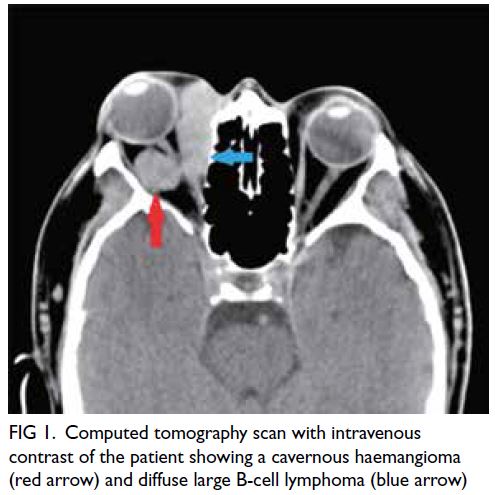
 

Figure 1. Computed tomography scan with intravenous contrast of the patient showing a cavernous haemangioma (red arrow) and diffuse large B-cell lymphoma (blue arrow)
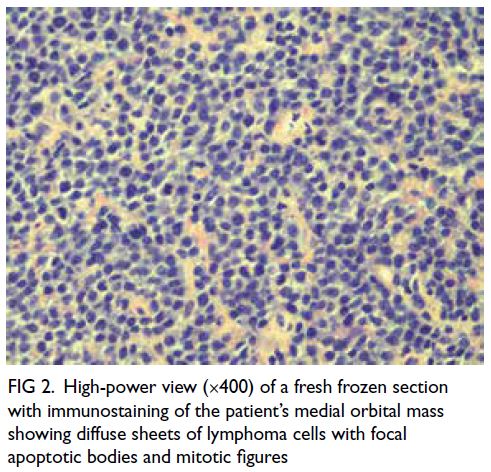
 

Figure 2. High-power view (×400) of a fresh frozen section with immunostaining of the patient’s medial orbital mass showing diffuse sheets of lymphoma cells with focal apoptotic bodies and mitotic figures
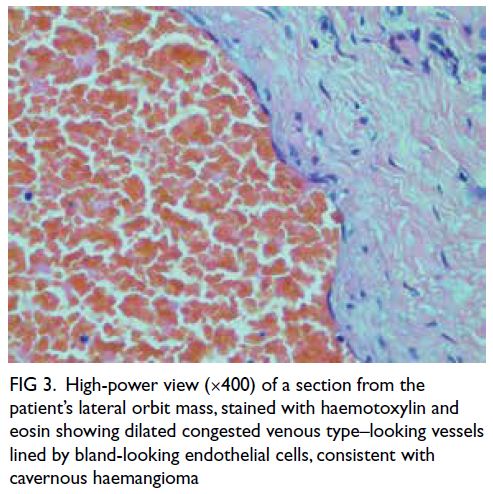
 

Figure 3. High-power view (×400) of a section from the patient’s lateral orbit mass, stained with haemotoxylin and eosin showing dilated congested venous type–looking vessels lined by bland-looking endothelial cells, consistent with cavernous haemangioma
 
At 4 months post-surgery there was no clinical sign of optic nerve damage and best-corrected visual acuity was 0.8 in the right eye. Positron emission tomography–computed tomography showed a residual hypermetabolic lesion over the medial aspect of the right orbit with no extra orbital lesion. The patient is receiving chemotherapy under the care of our haematology team.
 
Benign multiple homogenous lesions in the same orbit have been reported. Although multiple solitary fibrous tumours of the same orbit without malignant degeneration have been reported,4 multiple heterogeneous tumours in the same orbit are extremely rare. Ma et al5 reported a case of concurrent schwannoma and cavernous haemangioma in the same orbit of a 54-year-old female. To the best of our knowledge, concurrent benign and malignant lesions of the same orbit have not been reported in the English literature.
 
Author contributions
All authors contributed to the concept and design of this study, acquisition of data, analysis of data, drafting the manuscript, and critical revision for important intellectual content. All authors had full access to the data, contributed to the study, approved the final version for publication, and take responsibility for its accuracy and integrity.
 
Conflicts of interest
The authors have no conflicts of interest to disclose.
 
Funding/support
This study received no specific grant from any funding agency in the public, commercial, or not-for-profit sectors.
 
Ethics approval
The patient was treated in accordance with the Declaration of Helsinki and provided informed consent for the treatment and consent for publication.
 
References
1. Demirci H, Shields CL, Shields JA, Honavar SG, Mercado GJ, Tovilla JC. Orbital tumors in the older adult population. Ophthalmology 2002;109:243-8. Crossref
2. Deng C, Hu W. Multiple cavernous hemangiomas in the orbit: a case report and review of the literature. Medicine (Baltimore) 2020;99:e20670. Crossref
3. Du B, He X, Wang Y, He W. Multiple recurrent myxofibrosarcoma of the orbit: case report and review of the literature. BMC Ophthalmol 2020;20:264. Crossref
4. Griepentrog GJ, Harris GJ, Zambrano EV. Multiply recurrent solitary fibrous tumor of the orbit without malignant degeneration: a 45-year clinicopathologic case study. JAMA Ophthalmol 2013;131:265-7. Crossref
5. Ma M, Su F, Yang X. Multiple heterogeneous tumors in orbit: a case report. Int J Clin Exp Pathol 2019;12:4137-41.
Doxycycline-induced gastric injury

Hong Kong Med J 2024 Jun;30(3):248 | Epub 15 Apr 2024
© Hong Kong Academy of Medicine. CC BY-NC-ND 4.0
 
PICTORIAL MEDICINE
Doxycycline-induced gastric injury
Henry HW Liu, FHKCP, FHKAM (Medicine)1; TW Ho, MB, BS2; Nelson SK Tsang, MB, BS1; Jodis TW Lam, FRCP (Edin), FHKAM (Medicine)1; YT Hui, FRCP (Edin), FHKAM (Medicine)1
1 Department of Medicine, Queen Elizabeth Hospital, Hong Kong SAR, China
2 Department of Pathology, Queen Elizabeth Hospital, Hong Kong SAR, China
 
Corresponding author: Dr Henry HW Liu (lhw738@ha.org.hk)
 
 Full paper in PDF
 
 
A 28-year-old man with good past health presented with fever, dyspnoea, and pleuritic chest pain in April 2022. Blood tests showed hypochromic microcytic anaemia with haemoglobin level of 7 g/dL but no bleeding symptoms. Chest X-ray revealed left-sided pleural effusion. The working diagnosis was chest infection with parapneumonic effusion. He was treated with empirical co-amoxiclav and doxycycline.
 
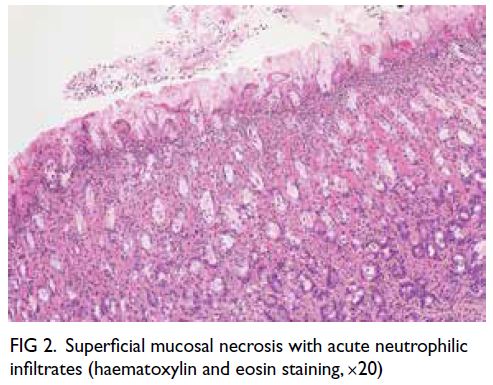
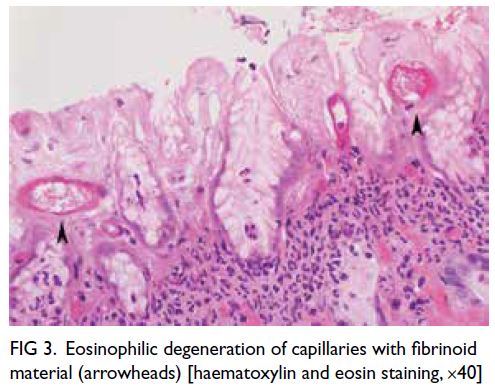
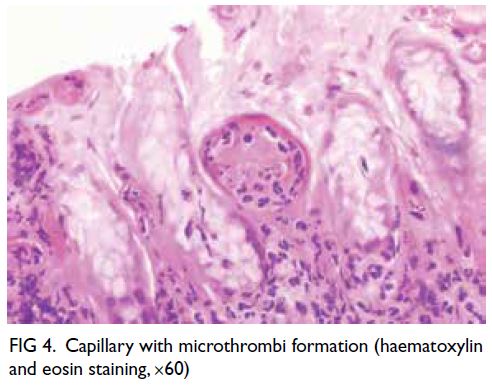
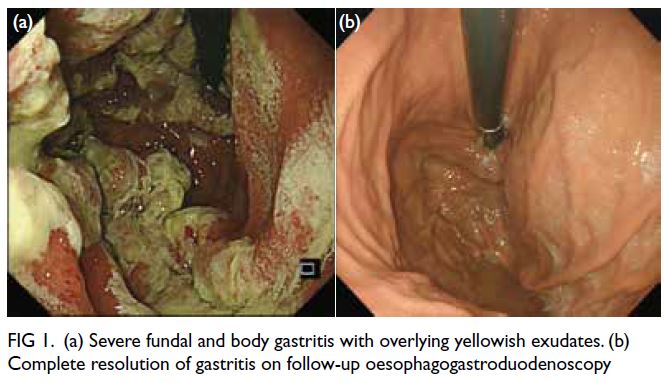
Thoracocentesis yielded blood-stained fluid with an exudative biochemistry. Pleural fluid adenosine deaminase level was 58 U/L and cytology was negative. Findings were suspicious of tuberculous pleural effusion. Gastroscopy was arranged for his anaemia and revealed severe gastritis over the body and fundus with overlying yellowish exudates (Fig 1a). Biopsies excluded Helicobacter pylori infection but revealed superficial mucosal necrosis with acute neutrophilic infiltrates (Fig 2). The superficial capillaries displayed eosinophilic degeneration (Fig 3) with microthrombi formation (Fig 4). These histological findings are characteristic of doxycycline-induced gastric mucosal injury.1 2 3
 

Figure 1. (a) Severe fundal and body gastritis with overlying yellowish exudates. (b) Complete resolution of gastritis on follow-up oesophagogastroduodenoscopy
 

Figure 2. Superficial mucosal necrosis with acute neutrophilic infiltrates (haematoxylin and eosin staining, ×20)
 

Figure 3. Eosinophilic degeneration of capillaries with fibrinoid material (arrowheads) [haematoxylin and eosin staining, ×40]
 

Figure 4. Capillary with microthrombi formation (haematoxylin and eosin staining, ×60)
 
Doxycycline was withdrawn and the patient was started on antituberculosis treatment. Pleural fluid culture later confirmed infection with Mycobacterium tuberculosis. Follow-up upper endoscopy at 3 months showed complete resolution of gastric mucosal injury (Fig 1b). Haemoglobin analysis revealed findings compatible with Haemoglobin H disease.
 
Doxycycline is a tetracycline-class antibiotic commonly prescribed to cover atypical organisms in community-acquired pneumonia. It is a well-reported cause of oesophagitis and even ulcerations.4 On the contrary, doxycycline-induced gastric mucosal injury is rare and has a distinctive histological pattern. The underlying mechanism of injury is poorly understood. Duration of doxycycline treatment ranges from 5 days to 3 years.1 2 3 These patients often present with dysphagia, chest and epigastric pain or anaemia. Symptoms typically resolve following drug withdrawal and healing of the mucosa.1 2 3
 
Awareness of an association with doxycycline use, coupled with endoscopic and unique histological findings, facilitate prompt diagnosis of this condition.
 
Author contributions
All authors contributed to the concept or design of the study, acquisition of the data, analysis or interpretation of the data, drafting of the manuscript, and critical revision of the manuscript for important intellectual content. All authors had full access to the data, contributed to the study, approved the final version for publication, and take responsibility for its accuracy and integrity.
 
Conflicts of interest
All authors have disclosed no conflicts of interest.
 
Funding/support
This study received no specific grant from any funding agency in the public, commercial, or not-for-profit sectors.
 
Ethics approval
The patient was treated in accordance with the Declaration of Helsinki and provided informed consent for all procedures.
 
References
1. Affolter K, Samowitz W, Boynton K, Kelly ED. Doxycycline-induced gastrointestinal injury. Hum Pathol 2017;66:212-5. Crossref
2. Shih AR, Lauwers GY, Mattia A, Schaefer EA, Misdraji J. Vascular injury characterizes doxycycline-induced upper gastrointestinal tract mucosal injury. Am J Surg Pathol 2017;41:374-81. Crossref
3. Xiao SY, Zhao L, Hart J, Semrad CE. Gastric mucosal necrosis with vascular degeneration induced by doxycycline. Am J Surg Pathol 2013;37:259-63. Crossref
4. Gencosmanoglu R, Kurtkaya-Yapicier O, Tiftikci A, Avsar E, Tozun N, Oran ES. Mid-esophageal ulceration and candidiasis-associated distal esophagitis as two distinct clinical patterns of tetracycline or doxycycline-induced esophageal injury. J Clin Gastroenterol 2004;38:484-9. Crossref

Non-ketotic hyperglycaemic hemichorea: a rare complication of uncontrolled diabetes mellitus

Hong Kong Med J 2023 Dec;29(6):556 | Epub 21 Nov 2023
© Hong Kong Academy of Medicine. CC BY-NC-ND 4.0
 
PICTORIAL MEDICINE
Non-ketotic hyperglycaemic hemichorea: a rare complication of uncontrolled diabetes mellitus
PL Lam, MB, BS; PP Iu, FRCR, FHKAM (Radiology); Danny HY Cho, FRCR, FHKAM (Radiology)
Department of Diagnostic and Interventional Radiology, Kwong Wah Hospital, Hong Kong SAR, China
 
Corresponding author: Dr PL Lam (lpl404@ha.org.hk)
 
 Full paper in PDF
 
 
Case 1
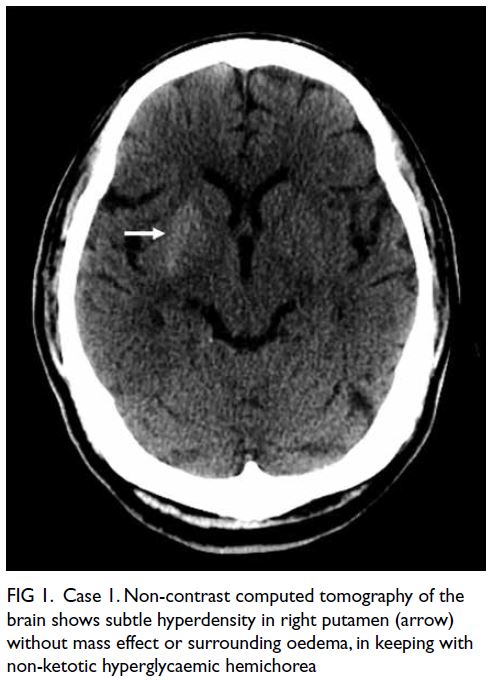
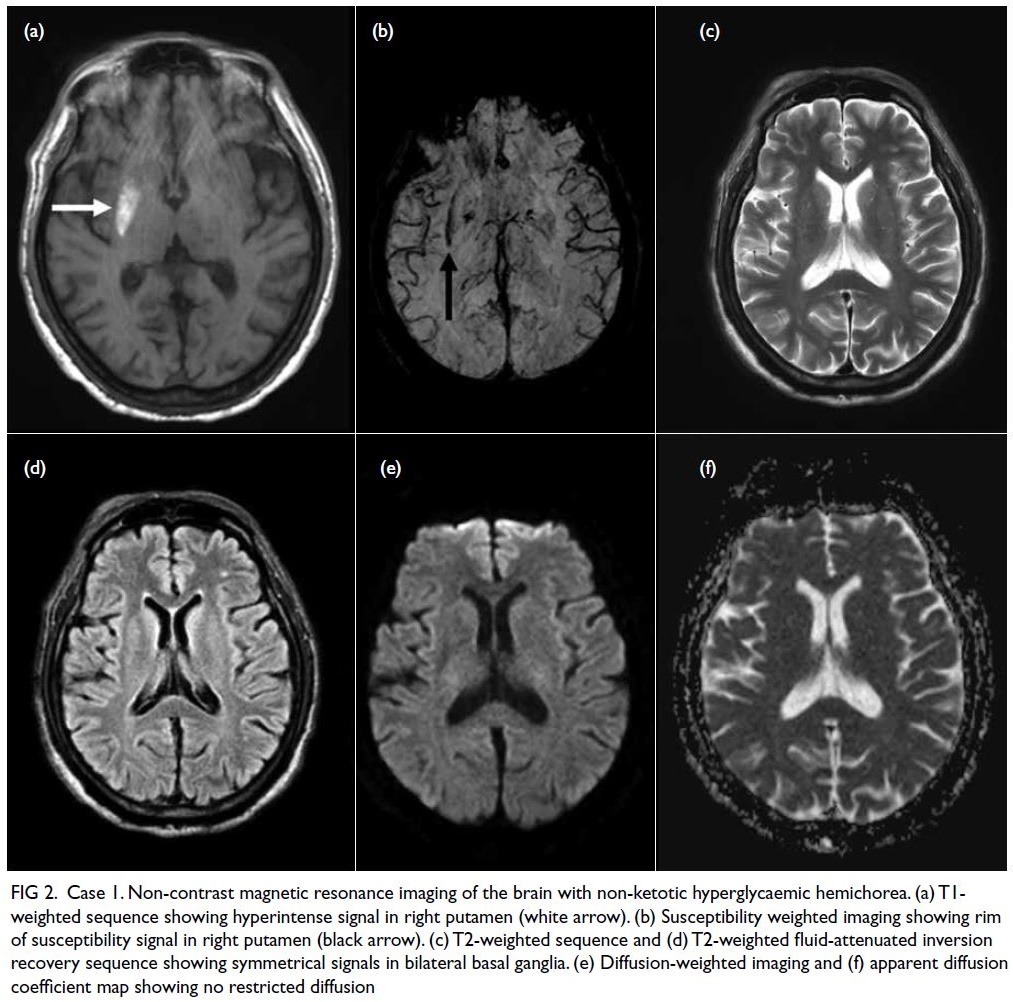
A 65-year-old man with a 1-month history of left upper and lower limb chorea was admitted to the medical ward of our institution in February 2021. Blood tests revealed new-onset diabetes mellitus with markedly elevated fasting glucose level of 28.5 mmol/L. Urinalysis for ketones was negative. Urgent non-contrast computed tomography (CT) of the brain showed subtle hyperdensity at the right putamen without mass effect or surrounding oedema (Fig 1). The patient was started on subcutaneous insulin, and upon normalisation of blood glucose level, his hemichorea subsided without additional antichorea medications. Follow-up non-contrast magnetic resonance imaging of the brain performed 2 months later revealed T1-weighted hyperintensity in the right putamen, without restricted diffusion (Fig 2). Imaging findings were in keeping with non-ketotic hyperglycaemic hemichorea (NHH). The patient was prescribed a biphasic insulin regimen upon discharge.
 

Figure 1. Case 1. Non-contrast computed tomography of the brain shows subtle hyperdensity in right putamen (arrow) without mass effect or surrounding oedema, in keeping with non-ketotic hyperglycaemic hemichorea
 

Figure 2. Case 1. Non-contrast magnetic resonance imaging of the brain with non-ketotic hyperglycaemic hemichorea. (a) T1-weighted sequence showing hyperintense signal in right putamen (white arrow). (b) Susceptibility weighted imaging showing rim of susceptibility signal in right putamen (black arrow). (c) T2-weighted sequence and (d) T2-weighted fluid-attenuated inversion recovery sequence showing symmetrical signals in bilateral basal ganglia. (e) Diffusion-weighted imaging and (f) apparent diffusion coefficient map showing no restricted diffusion
 
Case 2
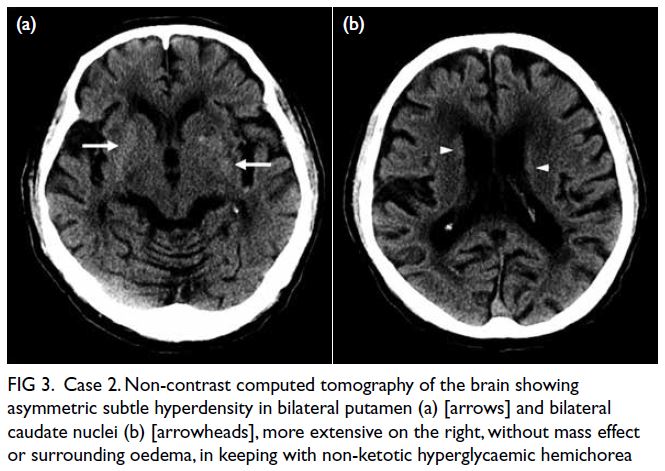
An 87-year-old man with a 2-day history of left upper limb chorea was hospitalised in April 2022. He had known diabetes mellitus but was noncompliant with oral hypoglycaemic therapy. Blood tests revealed markedly elevated random glucose level of 30.8 mmol/L. Urgent non-contrast CT of the brain showed asymmetric subtle hyperdensity in bilateral putamen and caudate nuclei, more extensive on the right, but without mass effect or surrounding oedema (Fig 3). Findings were compatible with NHH. The patient resumed metformin, with gliclazide and subcutaneous insulin injection added for optimal control. Upon normalisation of blood glucose level, his hemichorea resolved without antichorea medications.
 

Figure 3. Case 2. Non-contrast computed tomography of the brain showing asymmetric subtle hyperdensity in bilateral putamen (a) [arrows] and bilateral caudate nuclei (b) [arrowheads], more extensive on the right, without mass effect or surrounding oedema, in keeping with non-ketotic hyperglycaemic hemichorea
 
Discussion
Unilateral or asymmetric basal ganglia hyperdensity in brain CT of patients with focal neurological symptoms can be alarming, and intracerebral haemorrhage may be suspected. Nonetheless NHH, a rare complication of uncontrolled diabetes, should not be overlooked.
 
Case reports of NHH have been documented as early as 1960.1 Previously reported cases were frequent in Asian elderly women with uncontrolled diabetes. In most patients, unilateral chorea was observed, although bilateral involvement could be present.2 3 4 Of note, the aetiology of hemichorea is diverse, and other causes include infarct, haemorrhage and neoplasm. Imaging of the brain is therefore crucial.
 
Non-contrast CT of the brain of NHH typically shows subtle hyperdensity in contralateral putamen and/or caudate nucleus, although bilateral involvement is also seen. There will be no mass effect or perilesional oedema, and this differentiates NHH from haemorrhage or tumour.2 3 4
 
Similarly, magnetic resonance imaging of the brain typically shows corresponding signal changes in striatal regions contralateral to the symptomatic side. There will be T1-weighted hyperintense signal. Differentials of increased basal ganglia T1-weighted signal are diverse. They include toxin-related causes such as methanol poisoning or hepatic-related causes such as acquired hepatocerebral degeneration, but they commonly show bilateral and symmetrical involvement.5 T2-weighted or fluid-attenuated inversion recovery signals can be variable. Of note, restricted diffusion is not expected in NHH,2 3 4 and this differentiates it from acute ischaemic stroke.
 
The pathophysiology of NHH is not fully understood. Proposed mechanisms include depleted gamma-aminobutyric acid and disrupted blood-brain barrier at the corpus striatum.2 3 4 Recognising this rare complication of uncontrolled diabetes mellitus enables prompt medical intervention. Neurological symptoms of NHH usually show substantial improvement after normalisation of blood glucose level without additional intervention.2 3 4
 
Author contributions
All authors contributed to the concept and design of the study, acquisition of data, analysis and interpretation of data, drafting of the manuscript, and critical revision of the manuscript for important intellectual content. All authors had full access to the data, contributed to the study, approved the final version for publication, and take responsibility for its accuracy and integrity.
 
Conflicts of interest
All authors have disclosed no conflicts of interest.
 
Funding/support
This study received no specific grant from any funding agency in the public, commercial, or not-for-profit sectors.
 
Ethics approval
The patients were treated in accordance with the Declaration of Helsinki. They provided informed consent for all treatments and procedures, and consent for publication.
 
References
1. Bedwell SF. Some observations on hemiballismus. Neurology 1960;10:619-22. Crossref
2. Zheng W, Chen L, Chen JH, et al. Hemichorea associated with non-ketotic hyperglycemia: a case report and literature review. Front Neurol 2020;11:96. Crossref
3. Narayanan S. Hyperglycemia-induced hemiballismus hemichorea: a case report and brief review of the literature. J Emerg Med 2012;43:442-4. Crossref
4. Cherian A, Thomas B, Baheti NN, Chemmanam T, Kesavadas C. Concepts and controversies in nonketotic hyperglycemia-induced hemichorea: further evidence from susceptibility-weighted MR imaging. J Magn Reson Imaging 2009;29:699-703. Crossref
5. Hegde AN, Mohan S, Lath N, Lim CC. Differential diagnosis for bilateral abnormalities of the basal ganglia and thalamus. Radiographics 2011;31:5-30. Crossref

A curious case of early-onset dementia

Hong Kong Med J 2023 Aug;29(4):359.e1-3 | Epub 14 Jun 2023
© Hong Kong Academy of Medicine. CC BY-NC-ND 4.0
 
PICTORIAL MEDICINE
A curious case of early-onset dementia
Whitney CT Ip, MRCP (UK)1; YF Shea, FHKAM (Medicine)1; TK Ling, MHKCPath2; CY Law, FHKAM (Pathology)2; CW Lam, FHKAM (Pathology)2,3; Patrick KC Chiu, FHKAM (Medicine)1
1 Department of Medicine, Queen Mary Hospital, The University of Hong Kong, Hong Kong SAR, China
2 Division of Chemical Pathology, Department of Pathology, Queen Mary Hospital, Hong Kong SAR, China
3 Department of Pathology, The University of Hong Kong, Hong Kong SAR, China
 
Corresponding author: Dr YF Shea (syf321@ha.org.hk)
 
 Full paper in PDF
 
 
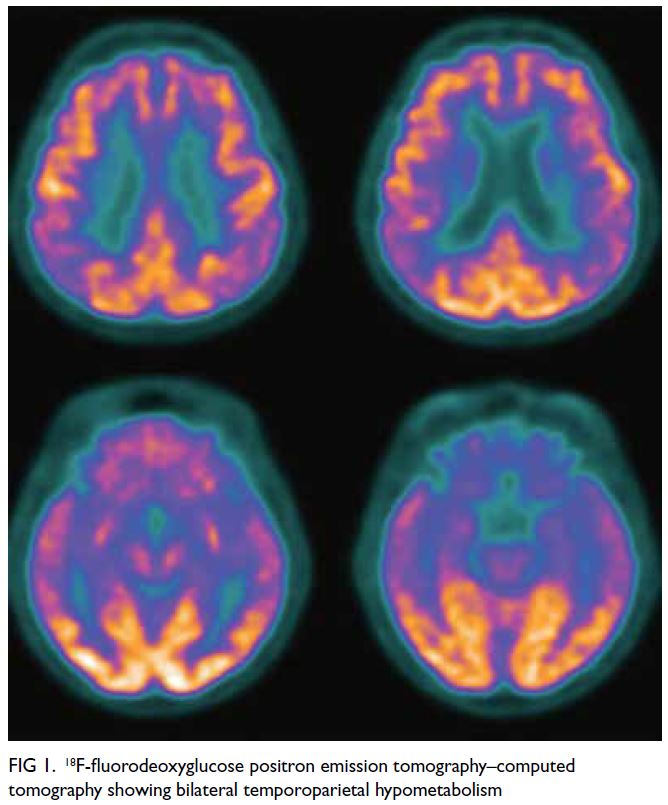
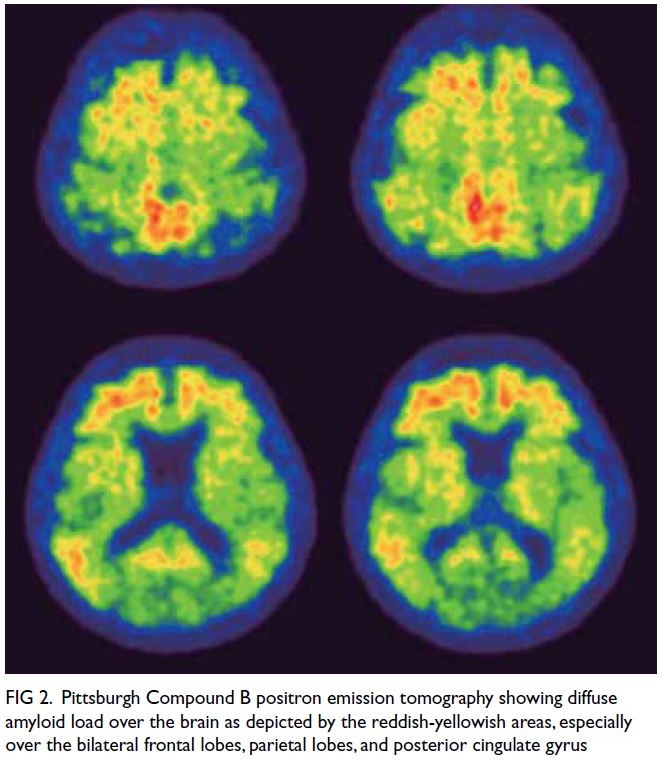
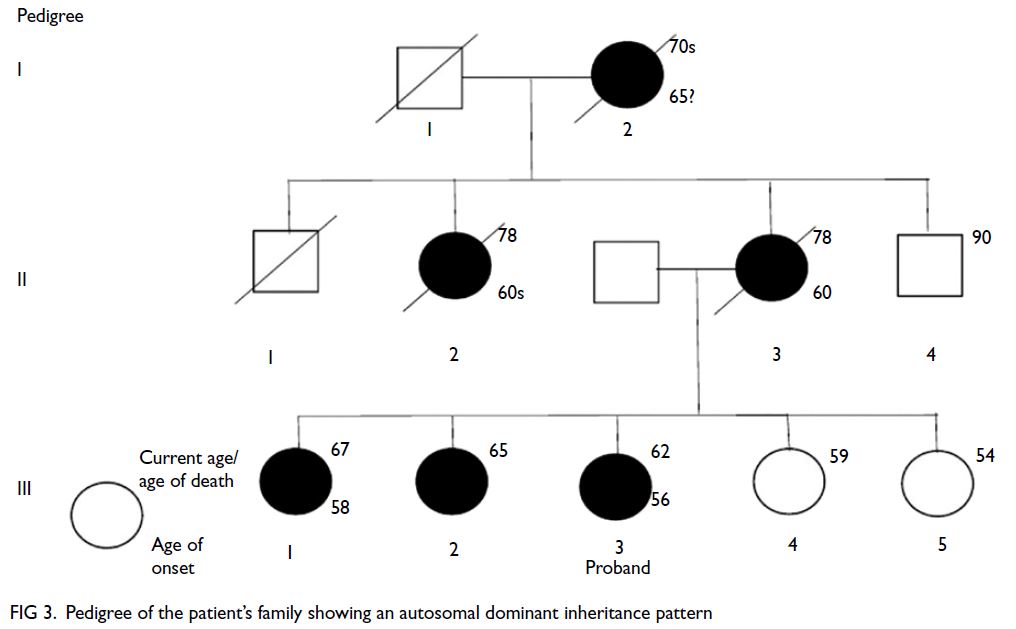
A 63-year-old woman was referred to the memory clinic of Queen Mary Hospital, Hong Kong in September 2021 for early-onset dementia (defined as onset before age of 65 years). Three months previously, she had developed stepwise deterioration in cognitive function and self-care ability following a right occipital lobe infarction. After a course of rehabilitation, her Montreal Cognitive Assessment–Hong Kong version and the Barthel Index scores were 5/30 and 9/20, respectively. The Montreal Cognitive Assessment–Hong Kong version score would have remained below the 2nd percentile even if the visual components, affected due to her potential visual deficit from stroke, had been excluded from the total score. A detailed review of her medical history revealed that she had had progressive anterograde amnesia since the age of 56 years. She worked previously as a professional accountant but had retired since the onset of cognitive impairment. Within 1 year, she developed executive dysfunction and personality change with aggressiveness. She reportedly had disorientation, prosopagnosia, and apraxia prior to her stroke in 2021. 18F-fluorodeoxyglucose positron emission tomography–computed tomography and Pittsburgh Compound B positron emission tomography at the age of 61 years, before the episode of stroke, showed bilateral temporoparietal hypometabolism (Fig 1) and diffuse amyloid load, especially over bilateral frontal lobes, parietal lobes, and posterior cingulate gyrus (Fig 2). The imaging findings were compatible with Alzheimer’s disease (AD). Further examination of her family history revealed multiple first-degree relatives with early-onset dementia with an autosomal dominant inheritance pattern (Fig 3).
 

Figure 1. 18F-fluorodeoxyglucose positron emission tomography–computed tomography showing bilateral temporoparietal hypometabolism
 

Figure 2. Pittsburgh Compound B positron emission tomography showing diffuse amyloid load over the brain as depicted by the reddish-yellowish areas, especially over the bilateral frontal lobes, parietal lobes, and posterior cingulate gyrus
 

Figure 3. Pedigree of the patient’s family showing an autosomal dominant inheritance pattern
 
Given the strong family history of early-onset dementia, familial AD gene panel, which included amyloid protein precursor (APP), presenilin-1 (PSEN1), and presenilin-2 (PSEN2), by next-generation sequencing was performed. Presenilin-1 was positive for a heterozygous mutation with a missense variant (c.786G>C, p.Leu262Phe), confirming the diagnosis of familial AD. No known pathogenic variants were detected in APP or PSEN2 genes. The family was referred for genetic counselling.
 
Familial AD accounts for less than 0.5% of early-onset AD cases.1 It is caused by mutations in the PSEN1, PSEN2 or APP gene, resulting in early deposition of amyloid plaques due to overproduction and deposition of Aβ42 leading to early neurodegeneration (the amyloid hypothesis).1 Nonetheless a newer presenilin hypothesis suggests alternative mechanisms, eg, loss-of-function of PSEN1 with suppressed γ-secretase activity and increased Aβ42/Aβ40 ratios, resulting in neurodegeneration.2 Presenilin-1 mutations account for up to 71.5% of Asian cases of familial AD.1 These patients may have an atypical presentation such as parkinsonism or spastic paraparesis.1 With a few exceptions, familial AD mutations are considered fully penetrant with the development of dementia at a predictable age. Families should be referred for genetic counselling since carriers may have half the chance of transmitting the mutation to a child. Carriers may be referred to a tertiary centre for potential pre-implantation genetic testing. There have been three reported families in Hong Kong with familial AD and different mutations.3 4 Patients with PSEN1 p.Leu262Phe tend to have a decreased word-finding ability.5
 
In summary, familial AD should be considered when a patient presents with early-onset cognitive impairment and a strong family history of early-onset dementia. Referral to chemical pathologists for genetic testing is important for family planning and advance care planning.
 
Author contributions
All authors contributed to the concept or design of the study, acquisition of the data, analysis or interpretation of the data, drafting of the manuscript, and critical revision of the manuscript for important intellectual content. All authors had full access to the data, contributed to the study, approved the final version for publication, and take responsibility for its accuracy and integrity.
 
Conflicts of interest
The authors have no conflicts of interest to disclose.
 
Funding/support
This study received no specific grant from any funding agency in the public, commercial, or not-for-profit sectors.
 
Ethics approval
The patient was treated in accordance with the Declaration of Helsinki. Patient consent was obtained for all investigations including treatment, procedures, and publication.
 
References
1. Shea YF, Chu LW, Chan AO, Ha J, Li Y, Song YQ. A systematic review of familial Alzheimer’s disease: differences in presentation of clinical features among three mutated genes and potential ethnic differences. J Formos Med Assoc 2016;115:67-75. Crossref
2. Kelleher RJ 3rd, Shen J. Presenilin-1 mutations and Alzheimer’s disease. Proc Natl Acad Sci U S A 2017;114:629-31. Crossref
3. Shea YF, Chan AO, Chu LW, et al. Novel presenilin 1 mutation (p.F386I) in a Chinese family with early-onset Alzheimer’s disease. Neurobiol Aging 2017;50:168.e9-11. Crossref
4. Shea YF, Chu LW, Chan AO, Kwan JS. Delayed diagnosis of an old Chinese woman with familial Alzheimer’s disease. J Formos Med Assoc 2015;114:1020-1. Crossref
5. Forsell C, Froelich S, Axelman K, et al. A novel pathogenic mutation (Leu262Phe) found in the presenilin 1 gene in early-onset Alzheimer’s disease. Neurosci Lett 1997;234:3-6. Crossref

Chronic prostatitis with recurrent extended-spectrum beta-lactamase–producing Escherichia coli bacteraemia treated with prolonged fosfomycin

Hong Kong Med J 2023 Aug;29(4):358.e1-2 | Epub 13 Jul 2023
© Hong Kong Academy of Medicine. CC BY-NC-ND 4.0
 
PCITORIAL MEDICINE
Chronic prostatitis with recurrent extended spectrum beta-lactamase–producing Escherichia coli bacteraemia treated with prolonged fosfomycin
Michael Tang, MB, BS; Whitney CT Ip, MRCP (UK); Jacqueline KY Yuen, MD; YF Shea, FHKAM (Medicine)
Geriatrics Medical Unit, Grantham Hospital, Hong Kong SAR, China
 
Corresponding author: Dr YF Shea (syf321@ha.org.hk)
 
 Full paper in PDF
 
 
An 84-year-old man was admitted with his third episode over 4 months of extended-spectrum beta-lactamase (ESBL)–producing Escherichia coli bloodstream infection (BSI). He had hypertension, diabetes mellitus, benign prostatic hyperplasia, Parkinson’s disease, ischaemic heart disease, and severe aortic stenosis treated with transcutaneous aortic valvular implantation. His most recent glycohaemoglobin level was 6.4% and he was on a controlled diet. He was not on long-term steroids. His two initial infections (presenting only with fever) had each been managed with a 2-week course of intravenous carbapenem and consequent normalisation of inflammatory markers, white blood cell (WBC) count and bacterial clearance on blood culture. Repeated urine culture and liver biochemistry were unremarkable. Transthoracic echocardiogram showed no evidence of vegetation.
 
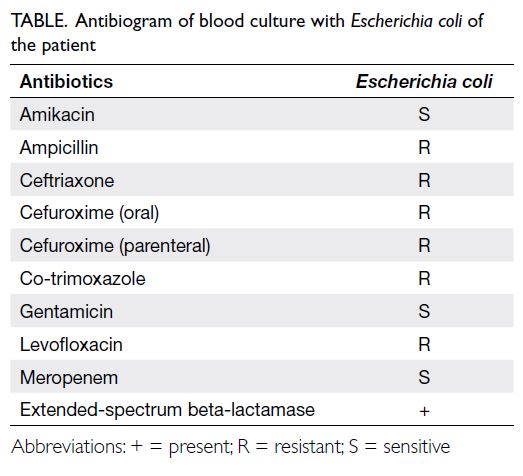
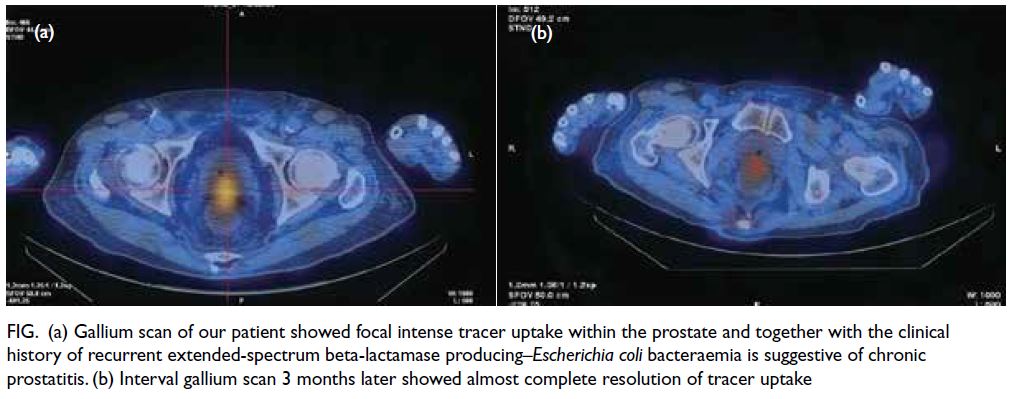
The patient was readmitted with a 1-day history of fever with blood culture showing ESBL-producing E coli (refer to the Table for antibiogram) characterised by leukocytosis (WBC count=20×109/L). Systemic review revealed no localising signs or symptoms. We administered 14 days of intravenous meropenem with rapid defervescence and normalisation of WBC. As a deep-seated infection was suspected, whole-body gallium scan was performed and showed intense uptake over the prostate (Fig a). We decided to treat his chronic prostatitis with a prolonged regimen of oral fosfomycin (3 g daily for 1 week, then 3 g every 48 hours for 6 weeks). The patient tolerated fosfomycin without adverse effects (eg, diarrhoea) and remained free of reinfection 3 months after discharge; interval gallium scan showed almost complete resolution of uptake (Fig b).
 

Table. Antibiogram of blood culture with Escherichia coli of the patient
 

Figure. (a) Gallium scan of our patient showed focal intense tracer uptake within the prostate and together with the clinical history of recurrent extended-spectrum beta-lactamase producing–Escherichia coli bacteraemia is suggestive of chronic prostatitis. (b) Interval gallium scan 3 months later showed almost complete resolution of tracer uptake
 
The primary site of ESBL-producing E coli BSI is predominantly the urinary tract, but may include intra-abdominal infections (eg, pyogenic liver abscess and psoas abscess).1 Typical prostatitis is diagnosed by a 10-time higher bacterial load in expressed prostatic fluid or urine sample collected after prostatic massage than that in a urine sample without prostatic massage.1 Our patient was asymptomatic with a negative urine culture; diagnosis was incidental on gallium scan, confirming its elusiveness. Once diagnosed, chronic prostatitis requires prolonged treatment for 4 to 6 weeks with an appropriate antibiotic.1
 
Extended-spectrum beta-lactamase–producing E coli arising from prostatitis has significant treatment implications. Few oral antibiotics can adequately penetrate the prostate to be clinically effective. They include fluoroquinolones, trimethoprim/sulfamethoxazole, and fosfomycin.2 3 Fosfomycin has a high clinical success rate and avoids the cardiac and musculoskeletal toxicities traditionally associated with fluoroquinolones.2 In our centre, it has a striking sensitivity of 97%.4
 
This report highlights three key points. First, chronic bacterial prostatitis should be considered in occult recurrent ESBL-producing Enterobacteriaceae BSI. Second, oral fosfomycin is an excellent choice for ESBL-producing E coli. Third, early stepdown from intravenous to oral antibiotics is effective in real life and validates historical retrospective studies.2 3 Early outpatient management is a pragmatic approach that is especially important within the current context of the coronavirus disease 2019 pandemic where healthcare facilities have been often overwhelmed. Gallium scan or positron emission tomography should be considered for patients with occult infection to determine its origin.5
 
Author contributions
All authors contributed to the concept or design, acquisition of data, analysis or interpretation of data, drafting of the manuscript, and critical revision of the manuscript for important intellectual content.
 
All authors had full access to the data, contributed to the study, approved the final version for publication, and take responsibility for its accuracy and integrity.
 
Conflicts of interest
All authors declared no conflicts of interest.
 
Funding/support
This study received no specific grant from any funding agency in the public, commercial, or not-for-profit sectors.
 
Ethics approval
The patient was treated in accordance with the Declaration of Helsinki and provided informed consent for the treatment/ procedures, and consent for publication.
 
References
1. Zhanel GG, Zhanel MA, Karlowsky JA. Oral fosfomycin for the treatment of acute and chronic bacterial prostatitis caused by multidrug-resistant Escherichia coli. Can J Infect Dis Med Microbiol 2018;2018:1404813. Crossref
2. Tamma PD, Conley AT, Cosgrove SE, et al. Association of 30-day mortality with oral step-down vs continued intravenous therapy in patients hospitalized with Enterobacteriaceae bacteremia. JAMA Intern Med 2019;179:316-23. Crossref
3. Kwan AC, Beahm NP. Fosfomycin for bacterial prostatitis: a review. Int J Antimicrob Agents 2020;56:106106. Crossref
4. Ho PL, Chan J, Lo WU, et al. Prevalence and molecular epidemiology of plasmid-mediated fosfomycin resistance genes among blood and urinary Escherichia coli isolates. J Med Microbiol 2013;62:1707-13. Crossref
5. Lin KH, Chen YS, Hu G, Tsay DG, Peng NJ. Chronic bacterial prostatitis detected by FDG PET/CT in a patient presented with fever of unknown origin. Clin Nucl Med 2010;35:894-5. Crossref

A curious case of small vessel vascular dementia

© Hong Kong Academy of Medicine. CC BY-NC-ND 4.0
 
PICTORIAL MEDICINE
A curious case of small vessel vascular dementia
Whitney CT Ip, MRCP (UK)1; YF Shea, FHKAM (Medicine)1; HF Tong, FHKCPath2,3; CY Law, FHKAM (Pathology)2; CW Lam, FHKAM (Pathology)2,4; Patrick KC Chiu, FHKAM (Medicine)1
1 Department of Medicine, Queen Mary Hospital, The University of Hong Kong, Hong Kong SAR, China
2 Division of Chemical Pathology, Department of Pathology, Queen Mary Hospital, Hong Kong SAR, China
3 Department of Pathology, Princess Margaret Hospital, Hong Kong SAR, China
4 Department of Pathology, The University of Hong Kong, Hong Kong SAR, China
 
Corresponding author: Dr YF Shea (syf321@ha.org.hk)
 
 Full paper in PDF
 
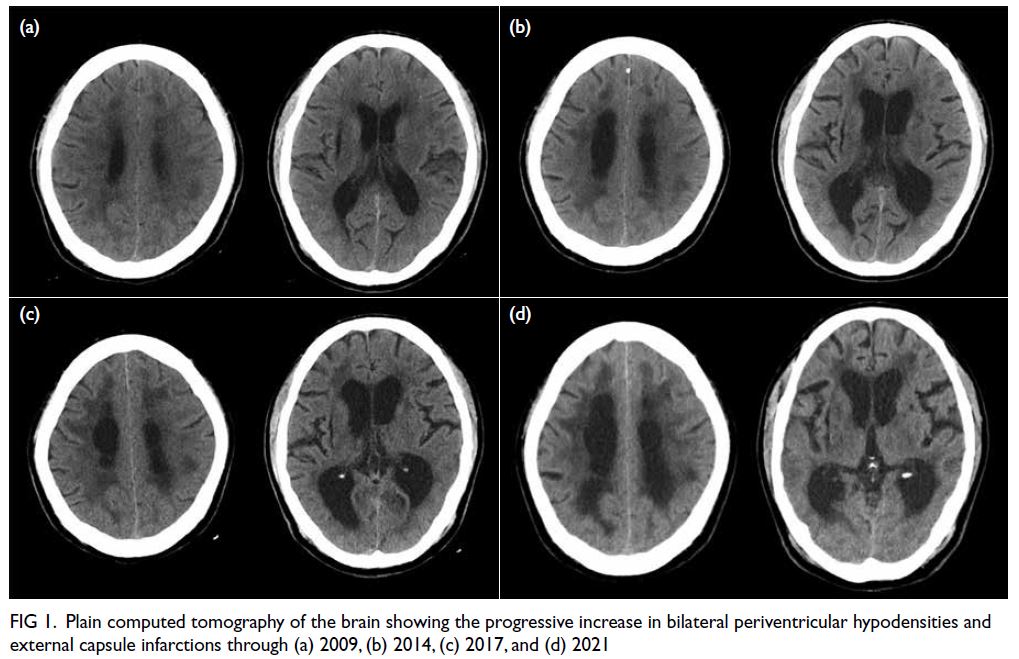
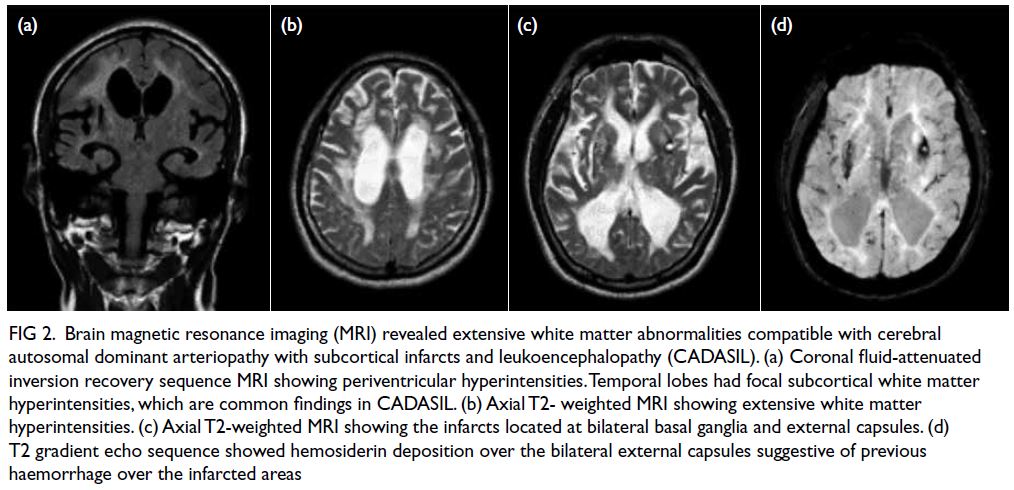
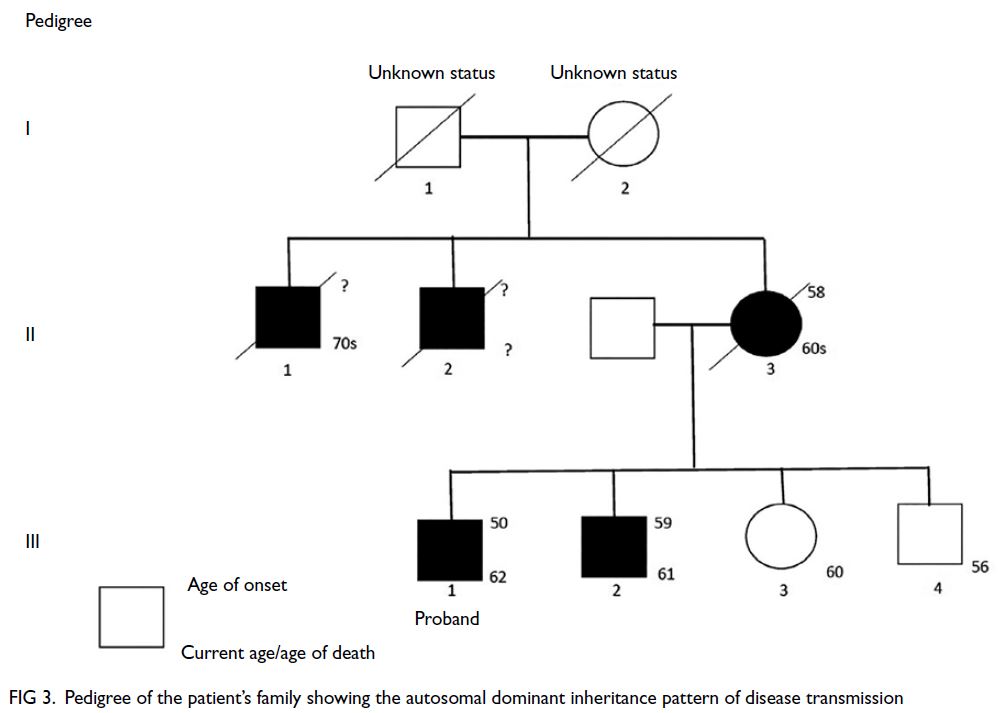
A 63-year-old man was referred to the memory clinic of Queen Mary Hospital in December 2021 for early-onset dementia. He had stepwise deterioration in cognitive function over the previous 6 months, especially in short-term memory, poor judgement, and spatial and temporal disorientation. His home environment was poor with rotten food. Physical examination revealed symmetrical parkinsonism. Montreal Cognitive Assessment Hong Kong version score was 10/30 (<2nd percentile). Vitamin B12, folate and thyroid function tests were normal. A review of his medical history revealed three episodes of stroke since the age of 50 years. These episodes presented as left lower limb monoplegia, left-sided hemiplegia and slurring of speech 12 years, 8 years, and 1 year ago, respectively. Extensive workup including 24-hour Holter monitoring and transthoracic echocardiogram was unremarkable. He had hypertension and hyperlipidaemia and was prescribed amlodipine 5 mg and rosuvastatin 20 mg daily. His blood pressure was under control and the latest low-density lipoprotein was 1.7 mmol/L. A review of his computed tomography of the brain over the last 11 years showed a progressive increase in periventricular hypodensities (Fig 1). Brain magnetic resonance imaging (1 year previously) showed extensive periventricular hyperintensities and an old ischaemic insult over bilateral external capsules (Fig 2). Family history was notable for multiple first-degree relatives with young-onset stroke in their fifties and a suspected autosomal dominant inheritance pattern (Fig 3). Genetic testing of the neurogenic locus notch homolog protein 3 (NOTCH3) gene revealed a heterozygous mutation with a pathogenic variant (c.1630C>T, p.Arg544Cys), confirming the diagnosis of cerebral autosomal dominant arteriopathy with subcortical infarcts and leukoencephalopathy (CADASIL). The family was referred for genetic counselling.
 

Figure 1. Plain computed tomography of the brain showing the progressive increase in bilateral periventricular hypodensities and external capsule infarctions through (a) 2009, (b) 2014, (c) 2017, and (d) 2021
 

Figure 2. Brain magnetic resonance imaging (MRI) revealed extensive white matter abnormalities compatible with cerebral autosomal dominant arteriopathy with subcortical infarcts and leukoencephalopathy (CADASIL). (a) Coronal fluid-attenuated inversion recovery sequence MRI showing periventricular hyperintensities. Temporal lobes had focal subcortical white matter hyperintensities, which are common findings in CADASIL. (b) Axial T2-weighted MRI showing extensive white matter hyperintensities. (c) Axial T2-weighted MRI showing the infarcts located at bilateral basal ganglia and external capsules. (d) T2 gradient echo sequence showed hemosiderin deposition over the bilateral external capsules suggestive of previous haemorrhage over the infarcted areas
 

Figure 3. Pedigree of the patient’s family showing the autosomal dominant inheritance pattern of disease transmission
 
Cerebral autosomal dominant arteriopathy with subcortical infarcts and leukoencephalopathy is caused by cysteine-altering pathogenic variants in the NOTCH3 gene, with consequent vasculopathic changes, predominantly involving small penetrating arteries, arterioles, and brain capillaries.1 2 The mutation leads to an odd number of cysteine residues with deposition of osmiophilic material and progressive degeneration of vascular smooth muscle cells.1 2 The key to diagnosis includes a strong family history of young-onset stroke, an absence of strong vascular risk factors, and salient findings on brain magnetic resonance imaging, especially extensive white matter abnormalities and subcortical infarcts involving external capsules. Genetic testing for the NOTCH3 gene can be arranged after consultation with chemical pathologists in major public hospitals.3 4 The principle of management for symptomatic patients is similar to that of other patients with stroke, ie, antiplatelet therapy, lipid-lowering agents, and blood pressure control. There is no disease-modifying therapy currently available. Family members of affected individuals should be referred for genetic counselling with referral to tertiary centres for potential pre-implantation genetic testing to avoid transferring the mutation to offspring.5 There have been four other reported families with CADASIL in Hong Kong with different mutations. The mean age of symptom onset for index patients of these families was 51 years.3 4 The mutation in our patient has been commonly found in Fujian province and Taiwan, accounting for up to 14.5% to 70% of CADASIL cases.1
 
In summary, clinicians should obtain a detailed history and be alert to suspicious magnetic resonance imaging findings. Referral to chemical pathologists for genetic testing is key to the diagnosis of CADASIL.
 
Author contributions
All authors contributed to the concept or design of the study, acquisition of the data, analysis or interpretation of the data, drafting of the manuscript, and critical revision of the manuscript for important intellectual content. All authors had full access to the data, contributed to the study, approved the final version for publication, and take responsibility for its accuracy and integrity.
 
Conflicts of interest
The authors have no conflicts of interest to disclose.
 
Funding/support
This study received no specific grant from any funding agency in the public, commercial, or not-for-profit sectors.
 
Ethics approval
The patient was treated in accordance with the Declaration of Helsinki. Patient consent was obtained for all investigations.
 
References
1. Chen S, Ni W, Yin XZ, et al. Clinical features and mutation spectrum in Chinese patients with CADASIL: a multicenter retrospective study. CNS Neurosci Ther 2017;23:707-16. Crossref
2. Hu Y, Sun Q, Zhou Y, et al. NOTCH3 variants and genotype-phenotype features in Chinese CADASIL patients. Front Genet 2021;12:705284. Crossref
3. Au KM, Li HL, Sheng B, et al. A novel mutation (C271F) in the Notch3 gene in a Chinese man with cerebral autosomal dominant arteriopathy with subcortical infarcts and leukoencephalopathy. Clin Chim Acta 2007;376:229-32. Crossref
4. Hung LY, Ling TK, Lau NK, et al. Genetic diagnosis of CADASIL in three Hong Kong Chinese patients: a novel mutation within the intracellular domain of NOTCH3. J Clin Neurosci 2018;56:95-100. Crossref
5. Konialis C, Hagnefelt B, Kokkali G, Pantos C, Pangalos C. Pregnancy following pre-implantation genetic diagnosis of cerebral autosomal dominant arteriopathy with subcortical infarcts and leukoencephalopathy (CADASIL). Prenat Diagn 2007;27:1079-83. Crossref

A girl with acute-onset severe astigmatism and gaze palsy

© Hong Kong Academy of Medicine. CC BY-NC-ND 4.0
 
PICTORIAL MEDICINE
A girl with acute-onset severe astigmatism and gaze palsy
KHA Kwok, MB, BS, MRCPCH1; KL Hon, MB, BS, MD1; CC Au, MB, BS, MRCPCH1; Wilson WS Ho, MB, BS, MRCS2; Elaine YL Kan, MB, ChB, FRCR3
1 Department of Paediatrics and Adolescent Medicine, Hong Kong Children’s Hospital, Hong Kong SAR, China
2 Department of Neurosurgery, Hong Kong Children’s Hospital, Hong Kong SAR, China
3 Department of Radiology, Hong Kong Children’s Hospital, Hong Kong SAR, China
 
Corresponding author: Dr KL Hon (ehon@hotmail.com)
 
  A video clip demonstrating physical examination findings of bilateral fixed left lateral gaze and right lower-motor-neuron seventh cranial nerve palsy is available at www.hkmj.org
 
 Full paper in PDF
 
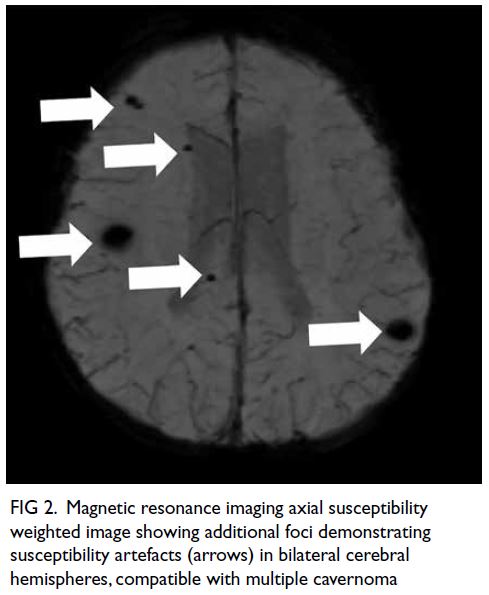
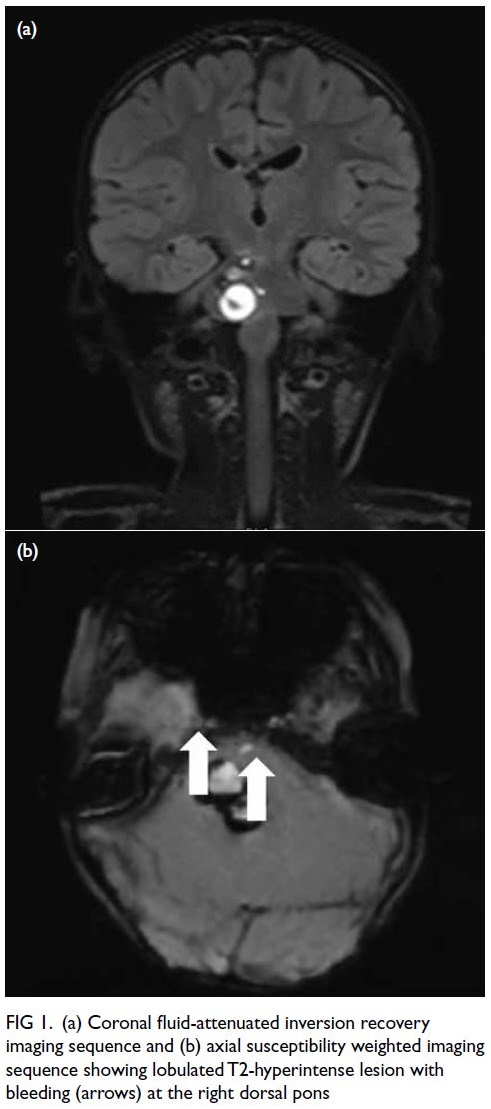
A previously healthy 4-year-old girl presented with a 4-week history of acute-onset visual disturbance. She was initially prescribed glasses for severe astigmatism but vision did not improve. It was later noted by her parents that her eyes could look only to the left side. She was then admitted to hospital. There was no history of headache, photophobia or vomiting but she exhibited drooling from the right side of her mouth and unsteady gait. She was afebrile and all other vital signs were normal with Glasgow Coma Scale score of 15. Physical examination revealed bilateral fixed left lateral gaze and right lower-motor-neuron seventh cranial nerve palsy. When asked to look to her right, she needed to compensate by head turning. Pupils were 3 mm equal and reactive to light. Ear canals were normal and there was no skin rash. Computed tomography scan of the brain showed a multilobulated mixed hyperdense and hypodense lesion at the dorsal pons with compression of the fourth ventricle. Magnetic resonance imaging (MRI) of the brain revealed bleeding from a tumour at the right dorsal pons (Fig 1); overall picture suggested multiple cavernoma (Fig 2). Neurosurgical decompression and stereotactic excision of a brainstem lesion was performed via suboccipital craniotomy. Histology showed features of a vascular lesion in keeping with cavernous haemangioma. Intracranial pressure was monitored via an external ventricular drain and remained normal postoperatively. Postoperative neurological examination showed bilateral fixed left lateral gaze, right lower-motor-neuron seventh cranial nerve palsy, and contralateral weakness of limbs. Genetic testing demonstrated a pathogenic mutation [heterozygous KRIT1 c.690C>A p.(Tyr230*)] for familial cerebral cavernous malformation (CM) syndrome. Her family was referred for further genetic testing and counselling.
 

Figure 1. (a) Coronal fluid-attenuated inversion recovery imaging sequence and (b) axial susceptibility weighted imaging sequence showing lobulated T2-hyperintense lesion with bleeding (arrows) at the right dorsal pons
 

Figure 2. Magnetic resonance imaging axial susceptibility weighted image showing additional foci demonstrating susceptibility artefacts (arrows) in bilateral cerebral hemispheres, compatible with multiple cavernoma
 
Acute-onset gaze disturbance in children is alarming and may signify serious cerebral abnormality. Almost all conjugate gaze palsies originate from a lesion in the midbrain or pons. These lesions can be caused by vascular or oncological space occupying lesions.
 
Cavernous malformations, also known as cavernous haemangiomas, are a type of benign, congenital malformation in which a cluster of dilated thin-walled capillaries form a characteristic ‘mulberry’ lesion with engorged purplish colour.1 They can be sporadic or inherited with an autosomal dominant pattern and incomplete penetrance, and can present as solitary or multiple lesions. Unlike capillary haemangiomas, CMs can be life-threatening and do not tend to regress. In all, 25% of cerebral CMs are infratentorial. They have a bleeding rate of 2% to 3% per year and recurrent bleeding rate of >20%. Due to the close proximity to multiple brainstem nuclei and fibre tracts, progressive neurological decline is observed in 39% patients with infratentorial CMs.2 Magnetic resonance imaging is the modality of choice, and susceptibility weighted imaging is the most sensitive means to detect blood products thus key to diagnosing cerebral CMs. Evolving blood products inside a CM appear as variable image intensities and give rise to the typical ‘popcorn’ appearance.3 Since MRI appearance is usually pathognomonic, biopsy is rarely needed. Angiography is indicated only if MRI cannot exclude arteriovenous malformation. Genetic testing should be arranged to screen for familial cerebral CM. Treatment approach depends on the site, size, symptoms, and history of haemorrhage.4 Indications for surgical resection of a cerebral CM include intracranial haemorrhage and epilepsy. Options include conventional surgery or stereotactic radiosurgery.4 5
 
Author contributions
All authors contributed to the concept or design, acquisition of data, analysis or interpretation of data, drafting of the manuscript, and critical revision of the manuscript for important intellectual content.
 
All authors had full access to the data, contributed to the study, approved the final version for publication, and take responsibility for its accuracy and integrity.
 
Conflicts of interest
As an editor of the journal, KL Hon was not involved in the peer review process. Other authors have disclosed no conflicts of interest.
 
Funding/support
This study received no specific grant from any funding agency in the public, commercial, or not-for-profit sectors.
 
Ethics approval
Ethics approval for this study was obtained from Hong Kong Children’s Hospital Ethics Committee, Hong Kong (Ref No.: HKCH REC 2019 009). The patient was treated in accordance with the tenets of the Declaration of Helsinki. Written consent for publication has been obtained from the patient’s parent.
 
References
1. Awad IA, Polster SP. Cavernous angiomas: deconstructing a neurosurgical disease. J Neurosurg 2019;131:1-13. Crossref
2. Fritschi JA, Reulen HJ, Spetzler RF, Zabramski JM. Cavernous malformations of the brain stem. a review of 139 cases. Acta Neurochir (Wien) 1994;130:35-46. Crossref
3. Lehnhardt FG, von Smekal U, Rückriem B, et al. Value of gradient-echo magnetic resonance-imaging in the diagnosis of familial cerebral cavernous malformation. Arch Neurol 2005;62:653-8. Crossref
4. Poorthuis MH, Klijn CJ, Algra A, Rinkel GJ, Al-Shahi Salman R. Treatment of cerebral cavernous malformations: a systematic review and meta-regression analysis. J Neurol Neurosurg Psychiatry 2014;85:1319-23. Crossref
5. Wang CC, Liu A, Zhang JT, Sun B, Zhao YL. Surgical management of brain-stem cavernous malformations: report of 137 cases. Surg Neurol 2003;59:444-54. Crossref

Depicting multiple schwannomas—a tale of two magnetic resonance neurogram techniques

© Hong Kong Academy of Medicine. CC BY-NC-ND 4.0
 
PICTORIAL MEDICINE
Depicting multiple schwannomas—a tale of two magnetic resonance neurogram techniques
HS Leung, MB, BS, FRCR1; JM Abrigo, FRCR, MD1; Eric HL Lau, FHKCORL, FHKAM (ORL)2; Winnie CW Chu, FHKCR, MD1
1 Department of Imaging and Interventional Radiology, The Chinese University of Hong Kong, Hong Kong
2 Department of Otorhinolaryngology, Head and Neck Surgery, The Chinese University of Hong Kong, Hong Kong
 
Corresponding author: Dr HS Leung (lhs655@ha.org.hk)
 
 Full paper in PDF
 
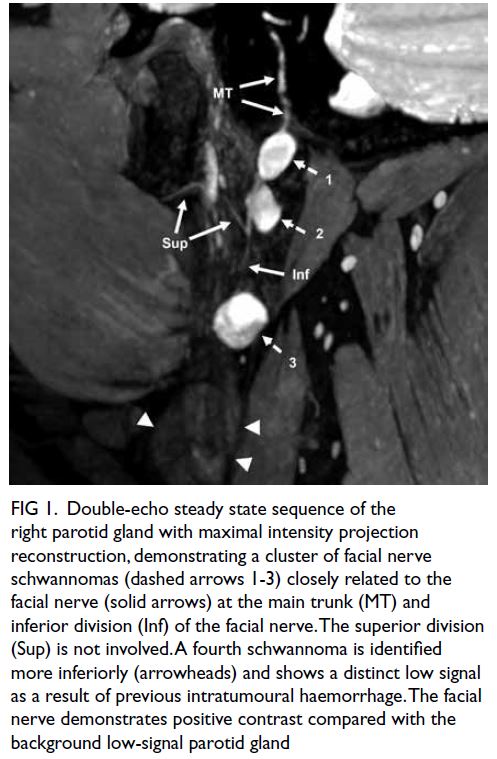
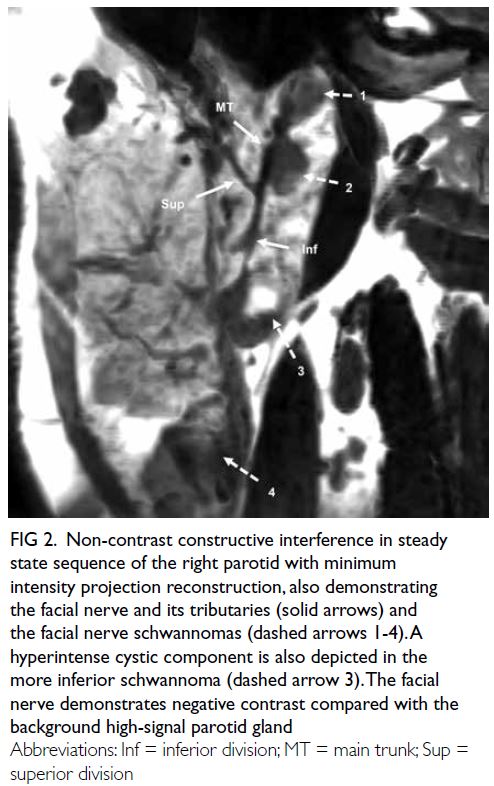
A 40-year-old female with unremarkable past health and no known family history of neurofibromatosis presented with a 3-year history of non-specific discomfort at the right submandibular region and upper neck. No facial nerve dysfunction was evident clinically. Ultrasound of the major salivary glands revealed a soft tissue nodule posterior to the right submandibular gland. Fine needle aspiration cytology findings were compatible with schwannoma. Subsequent magnetic resonance imaging (MRI) revealed a cluster of nodules within the deep lobe of the right parotid gland with a linear orientation. Further delineation with high-resolution MRI and neurography sequences with acquisition of double-echo steady state (DESS) [Fig 1] and post-contrast constructive interference in steady state (CISS) [Fig 2] sequences delineated these nodules arising eccentrically from the main trunk, inferior division and the marginal mandibular branch of the facial nerve, respectively. The patient continues with imaging surveillance while awaiting workup of underlying neurofibromatosis or schwannomatosis.
 

Figure 1. Double-echo steady state sequence of the right parotid gland with maximal intensity projection reconstruction, demonstrating a cluster of facial nerve schwannomas (dashed arrows 1-3) closely related to the facial nerve (solid arrows) at the main trunk (MT) and inferior division (Inf) of the facial nerve. The superior division (Sup) is not involved. A fourth schwannoma is identified more inferiorly (arrowheads) and shows a distinct low signal as a result of previous intratumoural haemorrhage. The facial nerve demonstrates positive contrast compared with the background low-signal parotid gland
 

Figure 2. Non-contrast constructive interference in steady state sequence of the right parotid with minimum intensity projection reconstruction, also demonstrating the facial nerve and its tributaries (solid arrows) and the facial nerve schwannomas (dashed arrows 1-4). A hyperintense cystic component is also depicted in the more inferior schwannoma (dashed arrow 3). The facial nerve demonstrates negative contrast compared with the background high-signal parotid gland
 
In the early era of MRI imaging, depiction of the extracranial intraparotid portion of the facial nerve was difficult, if not impossible, with conventional sequences. With advances in technology, higher resolution and newer imaging protocols allow clear delineation of intraparotid facial nerves. The use of high-resolution, three-dimensional and gradient echo–based techniques such as DESS1 and CISS2 allows clear delineation of the facial nerve from the parotid parenchyma and any adjacent facial nerve tumours, with a reasonable acquisition time of around 5 minutes. Both sequences have been proven useful in depicting the facial nerve and its branches,1 2 although there has not been any direct comparison of the efficacy of these sequences in facial nerve depiction. Nonetheless these two sequences are synergistic in the delineation of the facial nerve tributaries due to their differences in contrast characteristics. For DESS sequence, the facial nerve demonstrates positive contrast compared with the low-signal parotid gland; while in CISS, the facial nerve shows negative contrast compared with the high-signal parotid gland that is accentuated after contrast injection. The use of reconstruction techniques such as maximal intensity projection for DESS, or minimum intensity projection for CISS, can further improve visualisation of the peripheral nerve branches.
 
Dedicated magnetic resonance neurogram sequence for facial nerves is especially important in patients with salivary gland neoplasms, since facial nerve injury and consequent facial nerve weakness remain an important postoperative complication,3 and prior understanding of facial nerve anatomy is potentially helpful in reducing its incidence. It is also useful in predicting histology of nerve sheath tumours since schwannomas, as in our case, typically arise eccentrically from a nerve with displacement of its fascicles.4 Furthermore, such techniques can be applied to other extracranial nerves5 in the diagnosis of cranial neuropathies or in interventional planning for tumours in the head and neck region. Gradient echo–based DESS and CISS sequences partially overcome the problem of long acquisition time in conventional spin echo–based magnetic resonance neurogram; nonetheless images can be significantly compromised by susceptibility artefacts if adjacent implants are present. The latter remains a major obstacle that needs to be addressed.
 
Author contributions
Concept or design: All authors.
Acquisition of data: All authors.
Analysis or interpretation of data: HS Leung, JM Abrigo.
Drafting of the manuscript: HS Leung.
Critical revision of the manuscript for important intellectual content: JM Abrigo, EHL Lau, WCW Chu.
 
All authors had full access to the data, contributed to the study, approved the final version for publication, and take responsibility for its accuracy and integrity.
 
Conflicts of interest
All authors have disclosed no conflicts of interest.
 
Acknowledgement
The authors would like to acknowledge Mr Chi-kin Wong and Mr Chung-yee Cheung, radiographers of Gerald Choa Neuroscience Centre for their assistance in MRI scanning and devising MRI protocols.
 
Funding/support
This study received no specific grant from any funding agency in the public, commercial, or not-for-profit sectors.
 
Ethics approval
Ethics approval has been obtained from the Joint Chinese University of Hong Kong–New Territories East Cluster Clinical Research Ethics Committee (CREC Ref No.: 2021.639). Patient consent for publication was obtained.
 
References
1. Kim Y, Jeong HS, Kim HJ, Seong M, Kim Y, Kim ST. Three-dimensional double-echo steady-state with water excitation magnetic resonance imaging to localize the intraparotid facial nerve in patients with deep-seated parotid tumors. Neuroradiology 2021;63:731-9. Crossref
2. Guenette JP, Ben-Shlomo N, Jayender J, et al. MR imaging of the extracranial facial nerve with the CISS sequence. AJNR Am J Neuroradiol 2019;40:1954-9. Crossref
3. Jin H, Kim BY, Kim H, et al. Incidence of postoperative facial weakness in parotid tumor surgery: a tumor subsite analysis of 794 parotidectomies. BMC Surg 2019;19:199. Crossref
4. Soldatos T, Fisher S, Karri S, Ramzi A, Sharma R, Chhabra A. Advanced MR imaging of peripheral nerve sheath tumors including diffusion imaging. Semin Musculoskelet Radiol 2015;19:179-90. Crossref
5. Chhabra A, Bajaj G, Wadhwa V, et al. MR neurographic evaluation of facial and neck pain: normal and abnormal craniospinal nerves below the skull base. Radiographics 2018;38:1498-513. Crossref
 

A critically ill infant with multi-organ dysfunction due to eczema

© Hong Kong Academy of Medicine. CC BY-NC-ND 4.0
 
PICTORIAL MEDICINE
A critically ill infant with multi-organ dysfunction due to eczema
KL Hon, MB, BS, MD1; Karen KY Leung, MB, BS, MRCPCH1; WL Lin, PhD, BChinMed2; David CK Luk, MB, ChB, MRCPCH3
1 Department of Paediatrics and Adolescent Medicine, Hong Kong Children’s Hospital, Hong Kong
2 Hong Kong Institute of Integrative Medicine, Faculty of Medicine, The Chinese University of Hong Kong, Hong Kong
3 Department of Paediatrics and Adolescent Medicine, United Christian Hospital, Hong Kong
 
Corresponding author: Dr KL Hon (ehon@hotmail.com)
 
 Full paper in PDF
 
Eczema is the most prevalent childhood atopic illness routinely encountered by health professionals providing care to children.1 Some infants become critically ill and present to the paediatric intensive care unit (PICU) with this seemingly trivial condition.2 This anonymised (no clinical and laboratory data are presented) case of severe eczema and multi-organ dysfunction illustrates the extent of multi-organ involvement in eczema and the medical and psychosocial issues associated with the disease.1 3
 
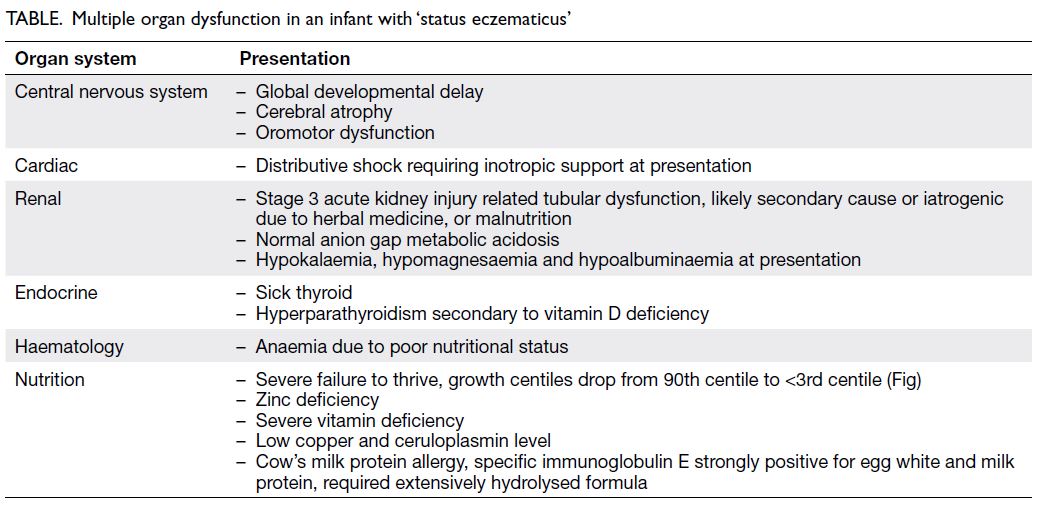
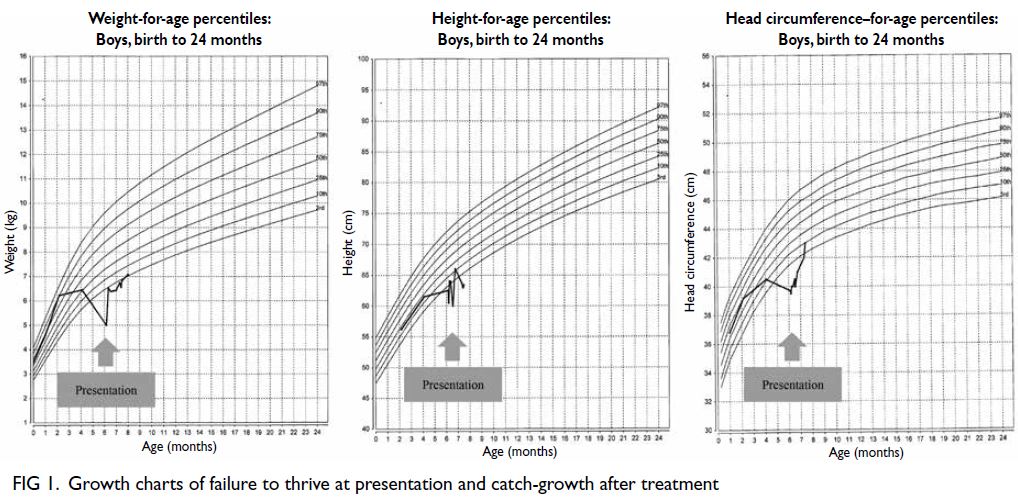
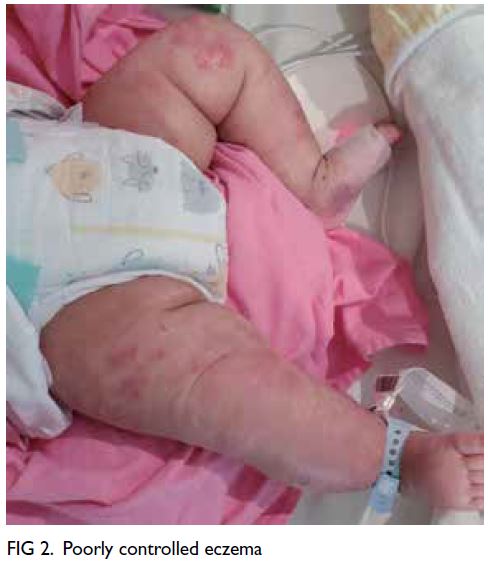
A 6-month-old boy with eczema and septic shock presented to the emergency department. He was treated with fluid resuscitation and subsequently admitted to a PICU. Derangement of multiple organ functions were identified along with failure to thrive and poor development (Table, Figs 1 and 2). Dobutamine and broad-spectrum antibiotics were prescribed. Although his condition improved rapidly, it became apparent that his parents did not trust Western medicine and were reluctant to use emollient and topical steroid to manage their child’s eczema. The mother frankly admitted that since the development of eczema at 2 months of age, she had been giving the infant complementary herbal medicine remedies. She was also taking herbal medicine whilst breastfeeding so that her child would indirectly receive the more ‘effective’ herbal medicine. The parents were interviewed by healthcare workers from various disciplines but they remained resolute in their beliefs and phobias about Western medicine. The child was discharged from PICU after the acute medical issues were resolved. Extensive investigations have been performed and apart from persistent peripheral eosinophilia, slightly low immunoglobulin M level, borderline CD4:CD8 ratio and borderline low zinc level, all other investigations including metabolic workup remain unremarkable to date. Further paediatric dermatology, genetics and integrative medicine follow-ups have been arranged.
 

Table. Multiple organ dysfunction in an infant with ‘status eczematicus’
 

Figure 1. Growth charts of failure to thrive at presentation and catch-growth after treatment
 

Figure 2. Poorly controlled eczema
 
Our reported case is probably the youngest patient with critical ‘status eczematicus’ to survive. All growth parameters were compromised (Fig 1). Children with severe eczema rarely require admission to an ICU and there are very few such cases in the literature. Mortality due to eczema is rare, but we have previously reported a tragic case of an infant with eczema who died of group B streptococcus septicaemia and malnutrition despite expensive dietary supplements.2 Eczema is a chronic condition that can significantly affect a child’s quality of life as well as that of their family if it is not well controlled due to the potentially significant psychological toll.4 Although ICU is not an ideal setting to manage a family with multiple phobias, the child must first be stabilised, and other differential diagnoses of acute skin failure ruled out.2
 
Acute treatment of eczema is straightforward but long-term maintenance treatment is always challenging. Topical medications should be considered to prevent exacerbations and therapy should be proactive. Steroid phobia is prevalent and often leads to non-compliance.1
 
Recommendations about dietary avoidance should be specific and given only in confirmed cases of food allergy.1 The use of traditional and proprietary topical and herbal medicine is popular across many countries in Asia.1 Anxious food-avoiding parents may purchase multi-vitamin supplements, prebiotics, probiotic or symbiotics that claim to be effective. In an extreme case, death was reported to have a secondary association with extreme dietary practice.3 Physicians must be tactful when counselling these anxious parents who are steroid phobic and mistrusting of modern medicine. Indirect administration of herbal medicine to an infant through breastfeeding is not advocated even in the practice of integration medicine.
 
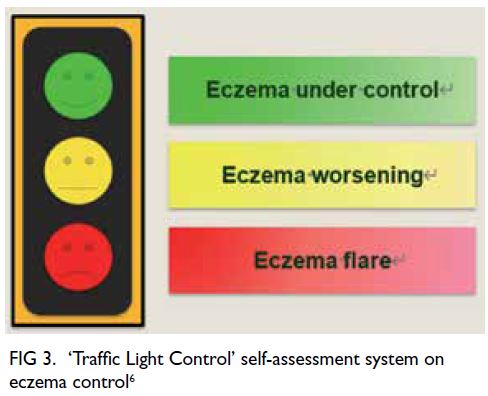
Management of eczema can sometimes be challenging. Apart from strong parental beliefs, cultural differences might also play a role in compliance with a prescribed treatment plan or a tendency to seek alternative therapies instead. These effects are likely to be underestimated in our community, especially in the primary care setting where consultation time might be limited. Physicians should endeavour to spend more time exploring parental beliefs. A practical solution may be to use an objective self/parental assessment to aid eczema control assessment, eg, ‘Traffic Light Control’ self-assessment system (Fig 3) and quality of life assessment, eg, Children’s Dermatology Life Quality Index.5 An ‘eczema action plan’ can also be given to parents to remind them of the prescribed eczema treatment. The treatment plan should be straightforward and easy to follow, especially if they perceive a worsening of eczema between clinic visits.5 A multidisciplinary and perhaps integrative medicine approach should be adopted where possible to manage patients and families with eczema, and education about the disease should be individualised to improve patient outcomes.
 

Figure 3. ‘Traffic Light Control’ self-assessment system on eczema control5
 
Healthcare providers must be aware of the mortality and morbidity associated with recalcitrant eczema and ‘status eczematicus’. These tragic cases of ‘status eczematicus’ serve to remind us of the grave consequences if eczema is inappropriately managed.
 
Author contributions
All authors contributed to the concept or design, acquisition of data, analysis or interpretation of data, drafting of the manuscript, and critical revision of the manuscript for important intellectual content.
 
All authors had full access to the data, contributed to the study, approved the final version for publication, and take responsibility for its accuracy and integrity.
 
Conflicts of interest
As an editor of the journal, KL Hon was not involved in the peer review process. Other authors have disclosed no conflicts of interest.
 
Funding/support
This study received no specific grant from any funding agency in the public, commercial, or not-for-profit sectors.
 
Ethics approval
The patient was treated in accordance with the tenets of the Declaration of Helsinki. Ethics approval for publication of patient information in the paediatric intensive care unit was obtained from the Hong Kong Children’s Hospital Research Ethics Committee (Ref No.: HKCH-REC-2019–0011).
 
References
1. Hon KL, Leong KF, Leung TN, Leung AK. Dismissing the fallacies of childhood eczema management: Case scenarios and an overview of best practices. Drugs Context 2018;7:212547. Crossref
2. Hon KL, Nip SY, Cheung KL. A tragic case of atopic eczema: malnutrition and infections despite multivitamins and supplements. Iran J Allergy Asthma Immunol 2012;11:267-70.
3. Hon KL, Kam WY, Leung TF, et al. Steroid fears in children with eczema. Acta Paediatr 2006;95:1451-5. Crossref
4. Hon KL, Kung JS, Wang M, Pong NH, Li AM, Leung TF. Clinical scores of sleep loss and itch, and antihistamine and topical corticosteroid usage for childhood eczema. Br J Dermatol 2016;175:1076-8. Crossref
5. Lam PH, Hon KL, Leung KK, Leong KF, Li CK, Leung TF. Self-perceived disease control in childhood eczema. J Dermatolog Treat 2022;33:1459-646. Crossref

Haemodynamic compensation in a patient with bilateral vertebral artery

© Hong Kong Academy of Medicine. CC BY-NC-ND 4.0
 
PICTORIAL MEDICINE
Haemodynamic compensation in a patient with bilateral vertebral artery
BD Ku, MD1; SS Yoon, MD, PhD2; SH Heo, MD, PhD2
1 Department of Neurology, International St Mary’s Hospital, Catholic Kwandong University College of Medicine, Incheon, South Korea
2 Department of Neurology, Kyung Hee University School of Medicine, Seoul, South Korea
 
Corresponding author: Prof BD Ku (bondku34@cku.ac.kr)
 
 Full paper in PDF
 
Bilateral vertebral artery dissection (VAD) is often related to sudden mechanical injury of the arteries such as that following direct trauma or rotational forces. The natural course of bilateral VAD is variable, from recanalisation to fatal subarachnoid haemorrhage.1 We report a patient with bilateral VAD and favourable clinical course due to adequate carotid haemodynamic compensation despite progressive vertebrobasilar insufficiency.
 
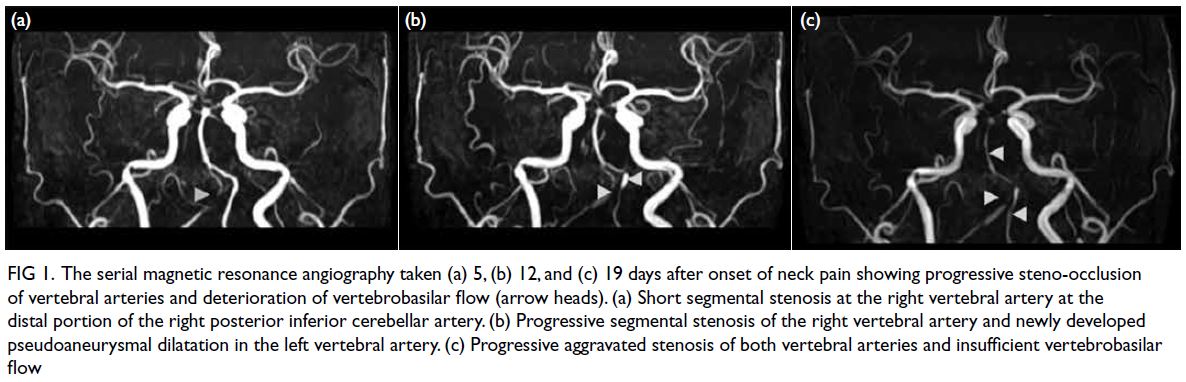
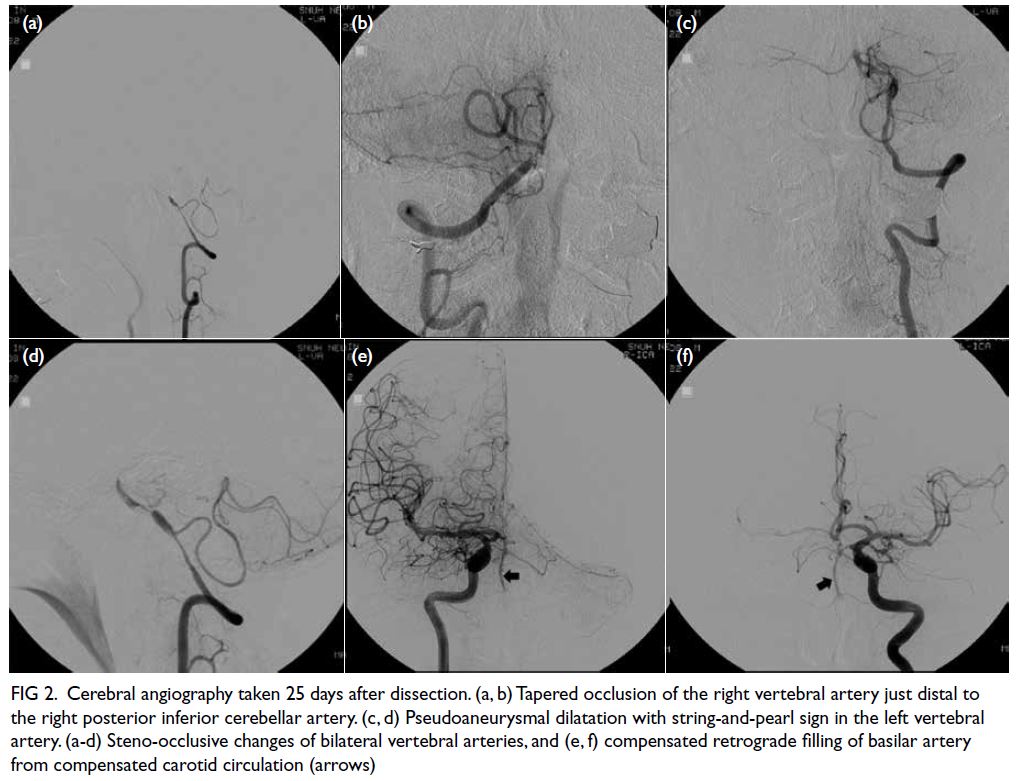
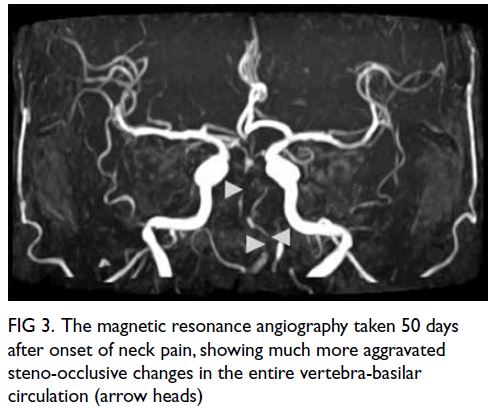
In February 2007, a 42-year-old man presented with acute, stabbing neck pain, radiating to his occipital area and persisting for 5 days after performing yoga exercises while standing on his head. He showed no neurological deficit except for limited neck motion due to pain. Serial magnetic resonance angiography (MRA) 5, 12, and 19 days later revealed progressive bilateral VAD with consequent vertebrobasilar flow insufficiency (Fig 1). Cerebral angiography 25 days after this dissection revealed compensated retrograde filling of the basilar artery (Fig 2). The MRA taken 50 days after dissection showed much more aggravated steno-occlusive changes in the entire vertebrobasilar circulation (Fig 3). Unlike the progressive deterioration of vertebrobasilar circulation, the patient’s neck pain gradually resolved without neurological deficit.
 

Figure 1. The serial magnetic resonance angiography taken (a) 5, (b) 12, and (c) 19 days after onset of neck pain showing progressive steno-occlusion of vertebral arteries and deterioration of vertebrobasilar flow (arrow heads). (a) Short segmental stenosis at the right vertebral artery at the distal portion of the right posterior inferior cerebellar artery. (b) Progressive segmental stenosis of the right vertebral artery and newly developed pseudoaneurysmal dilatation in the left vertebral artery. (c) Progressive aggravated stenosis of both vertebral arteries and insufficient vertebrobasilar flow
 

Figure 2. Cerebral angiography taken 25 days after dissection. (a, b) Tapered occlusion of the right vertebral artery just distal to the right posterior inferior cerebellar artery. (c, d) Pseudoaneurysmal dilatation with string-and-pearl sign in the left vertebral artery. (a-d) Steno-occlusive changes of bilateral vertebral arteries, and (e, f) compensated retrograde filling of basilar artery from compensated carotid circulation (arrows)
 

Figure 3. The magnetic resonance angiography taken 50 days after onset of neck pain, showing much more aggravated steno-occlusive changes in the entire vertebra-basilar circulation (arrow heads)
 
Cerebral angiography performed after the first three MRA studies showed nearly complete occlusion of the vertebral arteries just distal to the bilateral posterior inferior cerebellar artery. This protected the patient against neurological deficit. It is unclear why the fourth MRA at 1 month later showed further deterioration of vertebra-basilar circulation. The potential explanation for this finding may be related to the increased compensatory carotid artery flow through the collateral circulation. The presence of adequate haemodynamic compensation from the carotid artery territory constitutes an important positive prognostic factor of the low-flow ischaemia in a patient with bilateral VAD.1 2
 
Funaki et al3 reported that serial MRA could be of great use to monitor restorative bilateral VAD haemodynamics. In contrast, our patient showed progressive deterioration of vertebrobasilar circulation. This suggests that the haemodynamic status of bilateral VAD can variably alter, so serial MRA can help monitor the progression of dissection in some patients.2
 
The present case suggests that the haemodynamics of bilateral VAD are variable and adequate haemodynamic compensation may constitute a positive prognostic factor.
 
Author contributions
Concept or design: BD Ku.
Acquisition of data: All authors.
Analysis or interpretation of data: All authors.
Drafting of the manuscript: BD Ku.
Critical revision of the manuscript for important intellectual content: All authors.
 
All authors had full access to the data, contributed to the study, approved the final version for publication, and take responsibility for its accuracy and integrity.
 
Conflicts of interest
The authors have disclosed no conflicts of interest.
 
Acknowledgement
The authors would like to thank Harrisco (www.harrisco.com) for the English language review.
 
Funding/support
This study received no specific grant from any funding agency in the public, commercial, or not-for-profit sectors.
 
Ethics approval
This study was conducted in accordance with the principles outlined in the Declaration of Helsinki.
 
References
1. de Bray JM, Penisson-Besnier I, Dubas F, Emile J. Extracranial and intracranial vertebrobasilar dissections: diagnosis and prognosis. J Neurol Neurosurg Psychiatry 1997;63:46-51. Crossref
2. Bacci D, Valecchi D, Sgambati E, et al. Compensatory collateral circles in vertebral and carotid artery occlusion. Ital J Anat Embryol 2008;113:265-71.
3. Funaki T, Oshimoto T, Wataya T, et al. Bilateral vertebral artery dissection and its chronological changes detected by MR angiography: a case report [in Japanese]. No To Shinkei 2004;56:247-50.

Pages