Healing hearts in paediatrics: an interview with Dr Adolphus Chau

© Hong Kong Academy of Medicine. CC BY-NC-ND 4.0
 
HEALTHCARE FOR SOCIETY
Healing hearts in paediatrics: an interview with Dr Adolphus Chau
Cherry Lam1; Natalie Cheuk2; Caitlin Yeung2
1 Year 5 (MB ChB), The Chinese University of Hong Kong
2 Year 4 (MB BS), The University of Hong Kong
 
 Full paper in PDF
 
 
Dr Adolphus Kai-tung Chau’s dedication to advancing paediatric cardiac interventions available in Hong Kong has been evident throughout his career. Dr Chau has served as a consultant at the Department of Paediatric Cardiology at Grantham Hospital and Queen Mary Hospital for 25 years, including 15 years as the Chief of Paediatric Cardiology. He has played a pivotal role in implementing new techniques at these hospitals. Dr Chau currently works closely as an interventional paediatric cardiologist with surgeons, anaesthesiologists, and allied healthcare professionals to ensure the best possible care for his patients. His time is also spent in research on long-term outcomes after interventional and surgical procedures and teaching and training younger generations of doctors, students, and nurses locally and abroad.
 
As Chief of Service, Dr Chau oversaw many regional firsts in paediatric cardiology in Hong Kong, including the establishment of the first extracorporeal membrane oxygenation (ECMO) programme. Among his many experiences, the introduction of mechanical circulatory support by ventricular assist device (VAD) for children is a bittersweet story that Dr Chau holds close to his heart. In 2001, an 11-year-old girl with dilated cardiomyopathy complicated by end-stage heart failure was placed under Dr Chau’s care. Without a heart transplant, the girl would rapidly succumb to her illness. Up to that point, paediatric heart transplantation had never been successfully attempted before in Hong Kong. Moreover, the number of suitable donor hearts for children was very limited. In his determined search for a way to save the patient, Dr Chau became aware of the VAD which could prolong the patient’s survival and act as a bridge to transplantation. The medical team identified a suitable device which had been developed at the German Heart Centre in Berlin, Germany. Unfortunately, the VAD was prohibitively expensive. Ultimately, in collaboration with the cardiothoracic surgeons, Hong Kong Heart Transplant team and with funding from the Children’s Heart Foundation (CHF), the VAD machine was made available for temporary use to save the dying child. Dr Chau quietly recalls the tragic fatal stroke that the young patient subsequently suffered 2 weeks later, as a complication of VAD treatment. Despite his relentless perseverance, the child he had so desperately tried to save passed away.
 
However, his efforts were not futile, and Dr Chau saw the opportunity for advancement. This young patient had exposed the severe lack of life-saving technology in Hong Kong needed by such children waiting for a heart transplant. A team of doctors, including Dr Chau, travelled to the German Heart Centre to learn more about VAD and afterwards established its use in Hong Kong. Dr Chau reflects that even though this was not a success story, this first experience was very useful in saving other children afterwards. In 2004, a paediatric patient who suffered from fulminant myocarditis survived through the use of the VAD. In 2009, Dr Chau collaborated with the Hong Kong Heart Transplant team and the Cardiothoracic Surgery Department at Queen Mary Hospital for the first paediatric heart transplant operation in Hong Kong.
 
Dr Chau is well-known for his successful career in Paediatric Cardiology, but he is particularly proud and enthusiastic for his work with the CHF, of which he is the current chairman. In 1994, Dr Chau co-founded the CHF with a group of concerned parents and colleagues, in order to support families with children suffering from congenital heart disease. Over the years, CHF has expanded to provide families with subsidies and psychosocial support to fill the gap between hospital clinical services and the personal needs of patients and their families. Now in its 25th year, the CHF has over 5000 members in Hong Kong and is an integral step in the care plan for patients with cardiac disease. As a registered charity, the CHF offers counselling services, peer support groups for parents, medical advice, and school talks on heart health. It also provides developmental rehabilitation for children with congenital heart diseases, whose medical condition often impacts negatively on their self-esteem.
 
The CHF is also concerned with heart health of the population at large. Recognising that heart diseases is a local top killer, the CHF has been actively disseminating information about heart health through public exhibitions, such as at shopping malls, and on its website. In addition, the CHF has conducted health talks in primary and secondary schools in the past decade to educate and advise children and teenagers on cardiovascular health. As Dr Chau remarked, “Heart health must start at early childhood.”
 
Although the CHF was established as a patient support group, it has also proved to be an invaluable partner to Dr Chau and his colleagues in bringing cutting-edge technology to Hong Kong, such as the VAD. The organisation’s all-encompassing approach and foresight is particularly evident in their current projects. A good example is the House of the Heart. Dr Chau understood that parents are an essential part of in-patient care for very young patients, and their reassuring presence is vital for a child’s recovery. However, the frequent commute to and from the hospital can be taxing for parents who live far away, and cramped wards do not have the luxury of space for an extra bed for parents to sleep next to their sick child. Dr Chau brought his observations to the CHF and together a plan to provide convenient accommodation for the parents of in-patients at Grantham Hospital was shaped. Grantham Hospital offered a unit of senior staff quarters free of charge, which was then converted into the House of the Heart, a dormitory for parents during their child’s in-patient care.
 
Always going the extra mile, Dr Chau also saw the House of the Heart as a space for parents to reach out to each other during difficult times. In-patients are invariably the most acute cases, which also brings the greatest anxiety for parents. The House of the Heart was designed with a common area to encourage parents to socialise and support each other, and CHF also brought in counsellors to facilitate group meetings. When the department moved to Queen Mary Hospital in 2008, the CHF rented a government property next to the hospital as the new House of the Heart and expanded its services to include parents of paediatric oncology in-patients. Unfortunately, in 2016, the site was re-purposed to become the current University Pathology Building. The CHF had to overcome significant obstacles to ultimately secure a new House of the Heart dormitory at Wah Fu Estate. Although the new location is further away from the hospital than the previous House of the Heart at Grantham, it remains very popular with consistently full occupancy rates.
 
Since the establishment of the Hong Kong Children’s Hospital in Kowloon Bay in 2017, Dr Chau has been at the helm of transferring the Department of Paediatric Cardiology there, from Queen Mary Hospital. Setting up a new CHF service centre near the new Children’s Hospital is another project that Dr Chau is spearheading, working tirelessly to overcome numerous hurdles along the way. The CHF has successfully negotiated an affordable deal for new premises in Kowloon Bay and is now working towards fundraising to continue its services for children and families.
 
In Dr Chau’s many years of caring for some of the most vulnerable children in Hong Kong, his insight into his patient’s needs beyond medical services alone has proven invaluable to families. Children with congenital heart disease encounter social and psychological challenges as a result of their physical problems that must be addressed. His experiences have impressed on him the importance of holistic medicine—not only to repair anatomical defects, but to truly heal hearts—which is a core value for the CHF. Thus, Dr Chau considers his clinical work and community services to be inseparable from each other.
 
For the next generation of doctors, Dr Chau advises perseverance through the inevitable career ups and downs and adherence to the belief that knowledge can help patients. He also stresses that effective communication and collaboration with other doctors, nurses, and allied health professionals is essential for delivering the best care that patients deserve. He ends the interview with a quote from Pat Patrick: “In life, we leave a legacy to our children, we leave our footprints wherever we travel, and we leave our fingerprints on every heart we touch.”
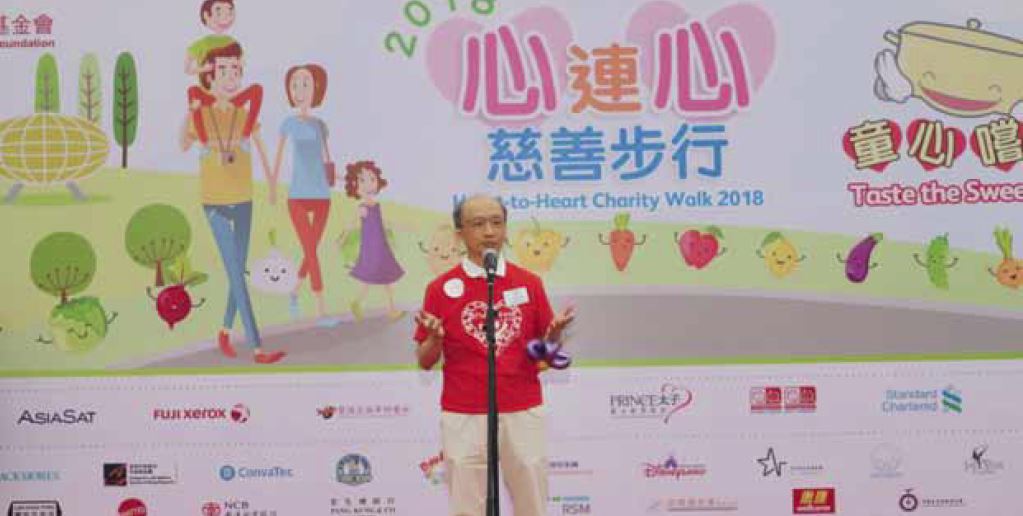
 

Figure 1. Dr Chau at the Children’s Heart Foundation’s annual Heart-to-Heart Charity Walk
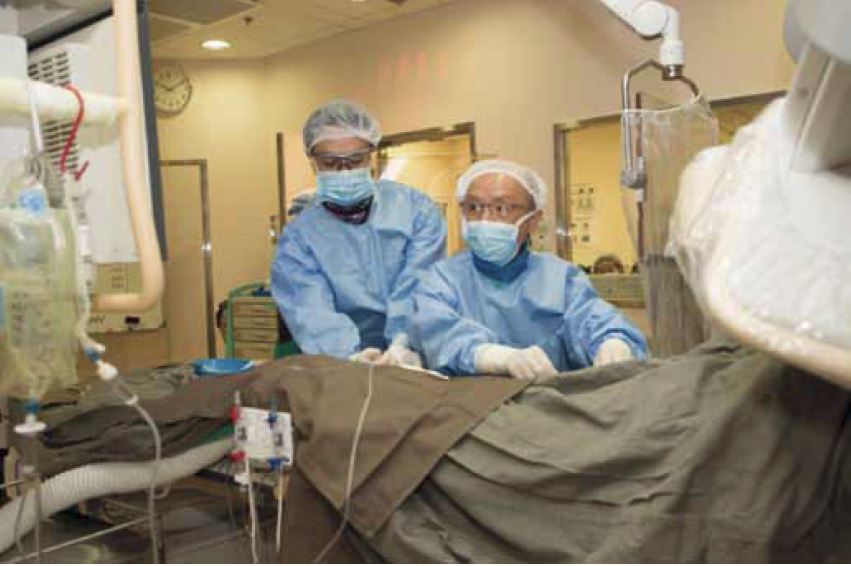
 

Figure 2. Dr Chau (right) during an interventional procedure
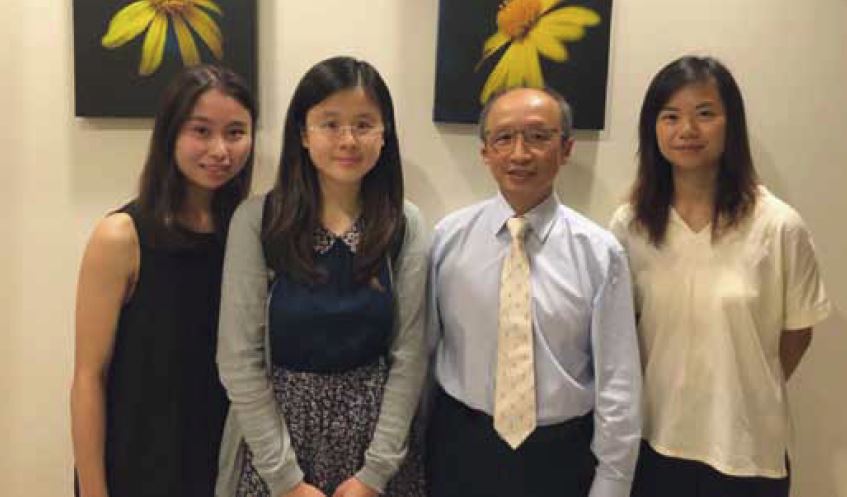
 

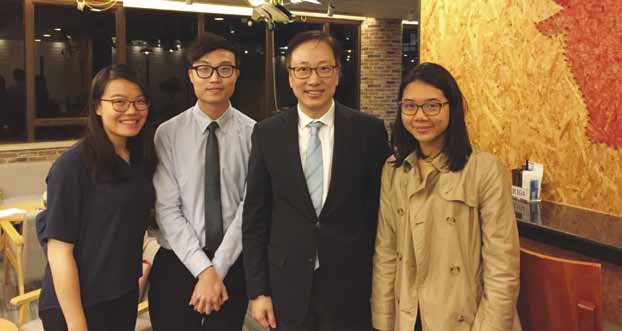
Figure 3. Dr Chau (third from left) was interviewed by the journal’s student reporters (from left): Cherry, Caitlin and Natalie
 

Pioneer of nursing reforms: an interview with Professor Frances Wong

© Hong Kong Academy of Medicine. CC BY-NC-ND 4.0
 
HEALTHCARE FOR SOCIETY
Pioneer of nursing reforms: an interview with Professor Frances Wong
Venice Li, Hilary Kwok, Joey Chan
Year 6 (MB ChB), The Chinese University of Hong Kong
 
 Full paper in PDF
 
 
Professor Frances Kam-yuet Wong’s warm smile and friendliness were what first caught our attention. Bringing along some cinnamon tea she bought from the United States, she openly offered to make us tea, as she guided us through her life story of working beyond the call of her duty as a nursing profession. Charged with a passion to serve the community Prof Wong, President of the Hong Kong Academy of Nursing (HKAN), described her determination to embark on a journey to lobby for better patient care through advocating for policy changes and leading spear-headed changes to introduce multidisciplinary care into the Hong Kong community. Hers is a story that echoes her belief that the whole is greater than the sum of its parts.
 
Humble beginnings
The humanitarian aspect of medical care touched her heart. After graduation and assuming the role of a registered nurse, Prof Wong had a renewed sense to directly touch the lives of others. This motivated her to spend her weekends visiting refugee camps in Kowloon City. By helping in the clinics, she was able to provide valuable help that these clinics depended on by assisting in essential procedures that were in heavy demand. With a motivation to lend a helping hand wherever it was welcomed, she also regularly visited children with intellectual disabilities. Prof Wong recounts a particularly memorable time during her time as a young nurse when she was able to share a unique and deep bond with her long-term patients in the intensive care and renal wards. With in-depth conversations made with every decision, a naturally close rapport was built between them. She was deeply touched when she was invited to the funerals of her dear patients.
 
Positive impact on Hong Kong’s nursing profession
Unlike their medical counterparts, nursing specialists in Hong Kong previously did not have any registries or accreditation systems. That began to change in October 2011, when HKAN was established, with the aim to strive for regulation of advanced nursing practice and to accredit nurse specialists on par with international standards. Prof Wong played a pivotal role in the establishment of the HKAN, and her mission now is to achieve statutory status and gain legal protection for nurse specialists in Hong Kong so that the public is protected by safe professional practice. Prof Wong’s diverse background and extensive clinical experience guide her to lead the fight for the rights of nurses. Prof Wong is a key player in HKAN’s efforts to regulate advanced nursing practice. In large part as a result of her efforts, numerous nurses in mainland China have received an internationally recognised accreditation status, and it is hoped that this system can achieve statutory status in Hong Kong. This system would provide legal protection for specialist nurses and enhance healthcare services provided to the community by ensuring that safe, professional nursing care is provided to all patients. Not only does Prof Wong approach her daily work with an incredible amount of passion, she has also always taken the initiative to go the extra mile for example by working with the underprivileged on her days off during her time as a practising nurse, and more recently through lobbying and advocacy for policy changes that will improve patient care. Prof Wong serves as an exemplary model of how healthcare professionals should approach their work.
 
Community-based interdisciplinary healthcare support
“Hong Kong has medical services but not healthcare services.” These words from an American professor gave Prof Wong pause for thought. During her research in transitional care from hospital to community, Prof Wong realised that the inadequacy of post-discharge community healthcare leads to high readmission rates and increases the burden of Hong Kong’s healthcare system. This led her to the idea of community-based health centres, which consist of interdisciplinary healthcare professionals such as nurses, physiotherapists, occupational therapists, and counsellors. Together, the team help to solve underlying social problems that contribute to health problems, so that the public can receive community-based support. The government-funded pioneer district health centre will be established in Kwai Tsing district, with hopes to enhance the public’s awareness of disease prevention and to provide support for the chronically ill. As a member of the Steering Committees on Primary Healthcare Development and Prevention and Control of Non-communicable Diseases, Prof Wong envisions the progressive participation of other districts and the involvement of the whole Hong Kong population. She hopes that ultimately, more and more citizens will take an active role to manage their own health instead of solely relying on healthcare professionals.
 
Inspiration and drive
Prof Wong describes nursing as a calling, saying, “I did not choose nursing, but nursing chose me”. Since the early days of her career, when she decided to pursue nursing instead of a Sociology degree, Prof Wong has always found the job to be incredibly rewarding. She feels privileged to be trusted by patients and is grateful for the opportunity to accompany them on their journeys. This immense job satisfaction drives Prof Wong to further her career as a nurse, and also to advance the profession as a whole. Along the way, she has met many inspirational figures, whose passion for the profession and for the care of patients she greatly admires. They include professors who taught her in nursing school and numerous members of the HKAN.
 
Parting words
To draw our interview to a conclusion, Prof Wong offered a few words of advice for both healthcare providers and the public. To healthcare professionals, she says, “Follow your passions, as this will be better for both yourself and your patients.” In general terms, she also advises everyone to, “Take more responsibility for your own health, and remember to practice self-care.”
 

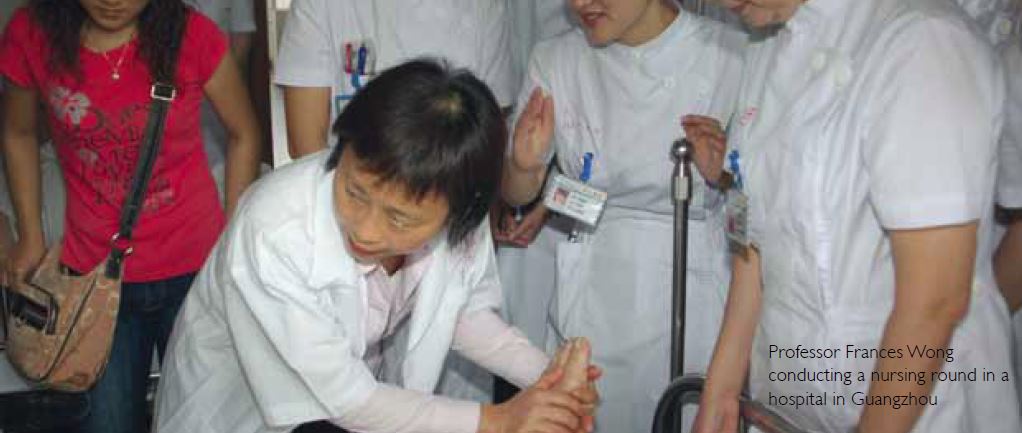
Figure 1. Professor Frances Wong conducting a nursing round in a hospital in Guangzhou
 

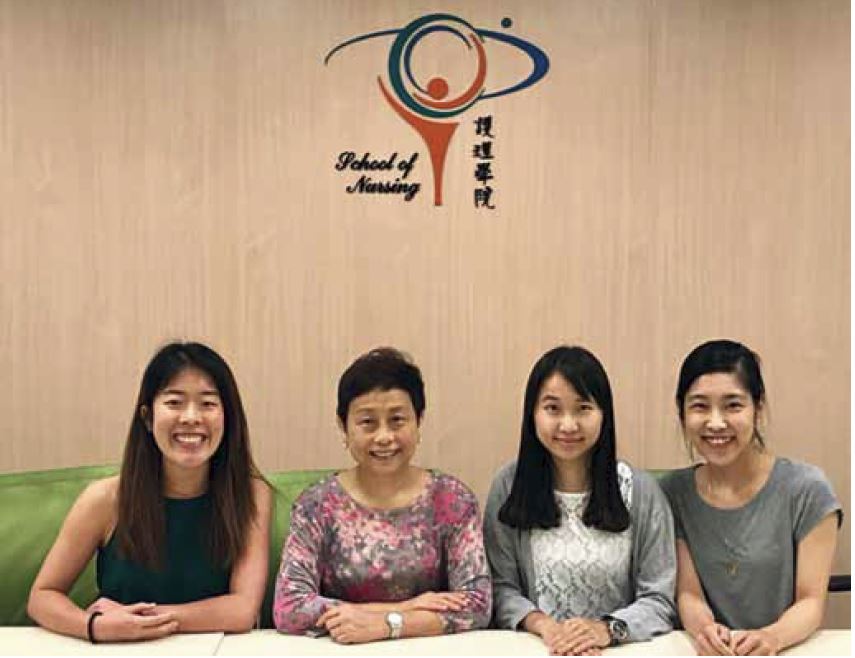
Figure 2. Professor Frances Wong (second from left) was interviewed by the journal’s student reporters (from left): Joey, Venice and Hilary
 

Clinician and teacher, sportsman and coach: an interview with Dr Henry Lam

© Hong Kong Academy of Medicine. CC BY-NC-ND 4.0
 
HEALTHCARE FOR SOCIETY
Clinician and teacher, sportsman and coach: an interview with Dr Henry Lam
Bianca Chan1; Henry Evan Cheng2; Man-tsin Lo2; Nathan So2
1 Year 3 (MB ChB), The Chinese University of Hong Kong
2 Year 1 (MB ChB), The Chinese University of Hong Kong
 
 Full paper in PDF


When we interviewed Dr Henry Lam, he had just returned from Thailand where he had competed in a bridge tournament. Dr Lam is known among medical professionals for pioneering the breast screening service at the Well Women Clinic in 1990 and serving as College Warden from 2008 to 2016. But, as if his stellar medical credentials were not impressive enough, Dr Lam was also the team official for the Hong Kong bridge team at the Asian Games in 2018 which brought back two silver and two bronze medals. “My annual leave is mainly spent on sports training, academic conferences, and clinical teaching,” he explained, as we wondered how he manages to juggle his roles as a radiology consultant at Kwong Wah Hospital, Hong Kong, a trainer in radiology, and an avid athlete.
 
Dr Lam’s love for bridge began long before his love for medicine when, at age 10, his elder brother taught him how to play. He went on to join the bridge team at his high school, where he learned to perfect the game and won Inter Secondary School Championship at age of 19. Despite his hectic work schedule as a medical student at the University of Hong Kong, Dr Lam became a dedicated member of the Hong Kong Contract Bridge Association. After graduating, Dr Lam did not give up his passion for bridge, despite the frenetic pace of life as a doctor, and travelled the world representing Hong Kong in multiple regional and international competitions. He attained the grandmaster grade in Bridge after becoming Hong Kong Open Champion in 2010 and 2011. His World Ranking is currently 181 in the senior series.
 
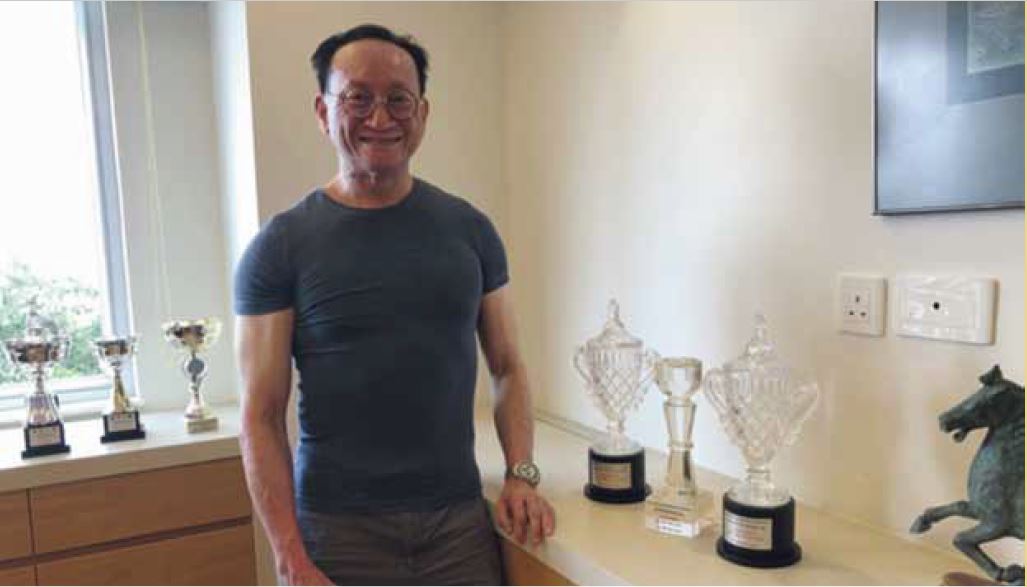
Although Dr Lam has won a plethora of tournaments and competitions throughout his bridge career, he spoke fondly about winning the 18th Asian Games in 2018. “It was definitely the most memorable moment in my journey,” he said as he proudly showed off his collection of trophies. As the Hong Kong team official, Dr Lam was responsible for training and improving the team, helping them to identify their strengths and weaknesses, and boosting team morale. He explained to us that bridge is like a “mind marathon”, requiring immense focus and attentiveness for many hours. As a result, he had to ensure that the team were in a level-headed mental state throughout the marathon. His dedication to the team and their hard work ultimately led to the success of the Hong Kong team in the event.
 
Dr Lam is most proud of his personal achievement in winning the Hong Kong Medical Association’s Sportsman of the Year award 3 years in a row. Throughout his life and medical career, Dr Lam understood the importance of a healthy work-life balance: “Time is not a problem; the problem is how to allocate your time,” he opines. Growing up, Dr Lam enjoyed playing various sports, from badminton and table tennis to sailing and windsurfing. Even as a practising physician, Dr Lam continues to dedicate time to exercising every day, reserving his Mondays and Sundays especially for his childhood favourites, table-tennis and badminton.
 
Physical fitness was not the only reward that Dr Lam earned from sports. Dr Lam appreciates the importance of transferable skills, and he has learned techniques from sports and other professions or specialties that have helped him in his medical career; such as adopting a surgeon’s practice of chatting to a patient while allowing local anaesthesia to take effect, which could also help to calm a patient undergoing radiological procedures.
 
Dr Lam says that the mental discipline needed for sports and professions stems from a conscious-subconscious distinction. His experience with sports showed him that a good foundation of basic skills is earned through good practice, so that these become subconscious and habitual, leaving more conscious brainpower to devote to the game at hand. Dr Lam finds this process of learning and developing subconscious skills to be directly applicable to the workplace. Once basic skills have become routine and part of the subconscious, one can use logical deduction for more complicated investigations and analysis of the clinical information available. The parallels between training for bridge and practising medicine allowed Dr Lam to hone his skills in both at the same time.
 
Dr Lam has also had a remarkable medical career. When decided to specialise in radiology, it was still a rather undeveloped specialty in Hong Kong. Doctors had only plain film imaging and fluoroscopy. Surgeons had little information prior to operating, unlike today, where various imaging modalities and other information allow for much more precise planning of operations. Dr Lam identified a need for development in the Radiology Department at Kwong Wah Hospital, as well as in neuroradiology and breast-focused medicine subspecialties. He saw Kwong Wah Hospital as the perfect opportunity to develop his pilot project, the Well Women Clinic, which provides breast and cervical cancer screening services for women. Despite the number of cancers detected by screening, Dr Lam remarked that the high opportunity cost associated with population breast screening hinders it being adopted as a Government Policy.
 
Owing to his expertise in radiology, Dr Lam was the Examiner for the Joint Fellowship Examination of the Hong Kong College of Radiologists (HKCR) and Royal College of Radiologists and represented the HKCR in the Macao Consultant Examinations. He was also the External Examiner of the Final Master of Medicine (Diagnostic Radiology) Examination in Singapore. Dr Lam was also instrumental in establishing a structured radiology training rotation in the early 1990s, and he continues to teach trainees annually to prepare for fellowship exams. As Dr Lam prepares for retirement, he has meticulously annotated and organised his previous work to pass down a treasure trove of knowledge to future radiologists.
 
Although Dr Lam will be taking off his white coat soon, he has no plans to put down his badminton and table-tennis racquet: “it’s less about longevity than active life expectancy, for which I have plans to extend as long as possible.” Before we bid our farewells, Dr Lam showed us one of his latest hobbies—Chinese calligraphy. He wrote the Chinese character for “to be still like water”, perhaps alluding to the fluidity of his life as both a clinician and teacher, and as a sportsman and coach.


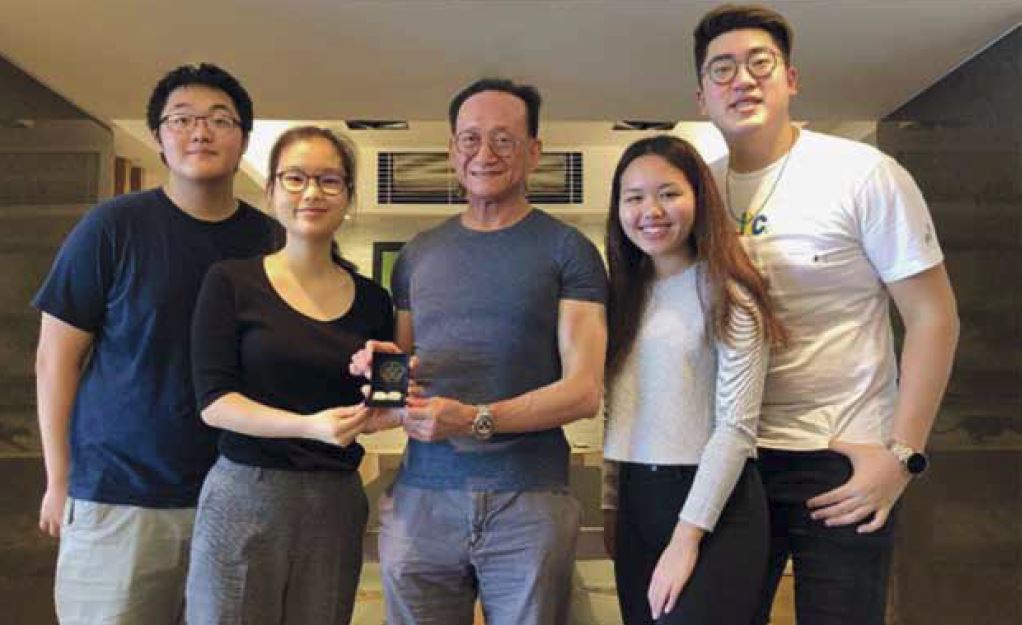
Dr Henry Lam (centre) with student reporters (from right) Nathan, Man-tsin, Bianca, and Henry
 

A pioneer in comprehensive rehabilitation: an interview with Professor Chetwyn Chan

© Hong Kong Academy of Medicine. CC BY-NC-ND 4.0
 
HEALTHCARE FOR SOCIETY
A pioneer in comprehensive rehabilitation: an interview with Professor Chetwyn Chan
Michelle Tsui1; Marco Cheung2; Chrystal Chan3
1 Year 3 (MB ChB), The Chinese University of Hong Kong
2 Year 4 (MB BS), The University of Hong Kong
3 Year 5 (MB ChB), The Chinese University of Hong Kong
 
 Full paper in PDF


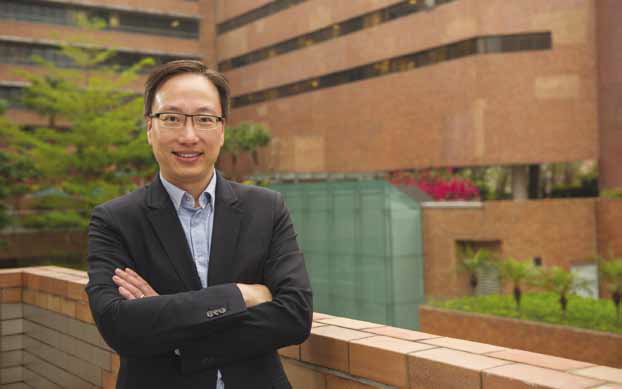
©The Hong Kong Polytechnic University
 
Professor Chetwyn Chan is a pioneer in his field—one of the first to integrate academia with the community. Driven by his strong belief that academia should pivot on the wider community, his research efforts revamp the traditional concept of rehabilitation, firmly establishing rehabilitative community services as an integral component of modern healthcare.
 
Background and mission
A distinguished figure in the community, Prof Chan serves diversified leadership roles in both administration and academia. He is presently the Associate Vice President (Learning and Teaching), Chair Professor of Rehabilitation Sciences, and Director of the University Research Facility in Behavioral and Systems Neuroscience at The Hong Kong Polytechnic University (PolyU). Outside of his official duties, he is perhaps more well-recognised within the community as the Vice-Chairman of the Executive Committee of The Hong Kong Society for Rehabilitation (HKSR).
 
“I don’t believe academia is limited to only research,” Professor Chan asserts. “Academia must not neglect social needs.” It appears that few university graduates actively participate in Hong Kong society, and he considers this a pitfall of the tertiary education system. Unwilling to fall into this trap, he takes a further step, using PolyU as a cradle for knowledge transfer.
 
After 3 years of clinical practice as an occupational therapist, Professor Chan pursued a PhD in Educational Psychology. He then became a scholar and researcher at PolyU and invested his efforts in psychology and rehabilitation sciences. One of his main research areas is post-stroke rehabilitation; an interest driven by a vision of creating a paradigm shift in the community of stroke patients: from engaging in activities of daily living to autonomous and independent living.
 
“Things don’t happen easily with a mere desire to take an extra step”, Professor Chan concedes, “it is important to choose to do something that society truly needs and is willing to receive.” His interest in helping disabled individuals coincided with an unmet gap between post-stroke patients being discharged from hospital and their leading a meaningful and productive life. Rehabilitation services were often delayed, offered long after discharge from hospital, and the services themselves were limited to the bare essentials. Aside from the institutional shortcoming, there was a lack of patient awareness. Post-stroke patients seemed to be led to believe that the basic services provided by the Hospital Authority were adequate, and they were unaware of needs- and community-based rehabilitation services that are crucial to attain the goal of independent living. For instance, vocational rehabilitation is pivotal in enabling young post-stroke patients to regain a worker role in the family. Activity and participation have become the cornerstones of the contemporary rehabilitation recommended by the International Classification of Functioning, Disability and Health (ICF); however, the Hospital Authority and post-stroke patients appeared unmotivated to fund or purchase such services. There was a profound need to develop rehabilitation services in conjunction with official healthcare services.
 
Community-based post-stroke rehabilitation project
The field of rehabilitation has evolved greatly over the past 30 years. In the past, it was little more than an afterthought. In an ageing population and with younger onset of some chronic illnesses, rehabilitation has developed into an integral part of the patient healthcare journey.
 
Current stroke rehabilitation services provided at the Hospital Authority focus on conventional skills training, helping patients regain their ability to perform activities of daily living through repeated practice. However, when patients are exposed to a different scenario in the community, it is difficult for them to turn their training into actual coping skills. To tackle this challenge, Professor Chan, with his doctoral students, constructed the first self-regulated learning protocol. The value of this protocol in helping post-stroke patients to regain lost daily activity skills has been validated in a series of randomised controlled trials. This day-to-day intervention protocol consists of a three-stage training programme based on cognitive neuroscience knowledge-task chunking, self-referenced appraisal, and mental rehearsal. Self-regulated learning allows patients to be more aware of their strengths (abilities) and weaknesses (disabilities), so they can address new scenarios through integration and synergy of skills they have learned or regained. This, as noted by Professor Chan, is a good demonstration of pushing the limit of the patients’ frontal cortex to produce the executive functions necessary for achieving independent living in the community.
 
Using his knowledge of self-regulated learning and the ICF model, Professor Chan established comprehensive rehabilitation services for post-stroke patients in the HKSR. Professor Chan found that this was as a great platform to bridge the divisions between academia and community, as well as his interests to find solutions for addressing patients’ needs in the community. The HKSR wholeheartedly embraces the mission of providing community-based rehabilitative services for patients with chronic diseases. Patients who have suffered from stroke are one of the core groups benefitting from its services. The new service focuses on the activity and participation needs of post-stroke patients and, in particular, their return to work and community living. With this service and the self-regulated learning strategy, post-stroke patients benefit from a greater capability to work and live independently, as well as contribute (rather than be a burden) to the well-being of their families and communities.
 
By taking many carefully considered extra steps, Professor Chan is transforming the post-stroke rehabilitation services that were once an afterthought into a full-fledged framework with holistic care. However, patient awareness of the new services is still lacking, and rehabilitation services remain disconnected from hospitals. Professor Chan continues to work hard, hoping to generate sufficient evidence and impact with the new services, so that the government will adopt the new service model into the health system. Professor Chan hopes, one day, to see hospital- and community-based rehabilitation services in parallel, as a cohesive whole.
 

Figure 2. Prof Chetwyn Chan (third from left) met student reporters (from left: Michelle, Marco and Chrystal) at The Hong Kong Polytechnic University
 

Professor Kwok-yung Yuen: Embracing life with a beginner’s heart

© Hong Kong Academy of Medicine. CC BY-NC-ND 4.0
 
HEALTHCARE FOR SOCIETY
Professor Kwok-yung Yuen: Embracing life with a beginner’s heart
Joey HY Chan, Hilary HC Kwok, Venice SW Li
Year 5 (MB ChB), The Chinese University of Hong Kong, Hong Kong
 
 Full paper in PDF
 
 
“There is no winning formula—we are all social beings, and at the end of the day, medicine and life are all about human connections.”
Behind the renowned face of Professor Kwok-yung Yuen, the man who discovered the SARS coronavirus after the global outbreak of Severe Acute Respiratory Syndrome (SARS) in 2003, is a down-to-earth, sensitive soul. Early on, he was touched by the rawness of human emotions and made aware of the fragility of life. He started his career with no expectations, driven solely by a motivation to serve his community—first as a physician, then as a surgeon, and now as a microbiologist—and brought with him on this journey nothing but the curiosity and heart of a beginner.
 
Igniting curiosity since childhood
Professor Yuen’s marvel towards the nature of life was apparent during his childhood. He remembers that he would excitedly bring home animals and insects he found out in the streets. His “pets” ranged from birds to cats, and from rats to flying cockroaches, much to the horror of his mother. He also fondly remembers his secondary school teacher showing him his telescope—a scientific luxury at the time—allowing him to take his first glimpse of the solar system. This opened his eyes to the vast possibilities of the unknown. His wonderment at nature shifted to humans and diseases whilst accompanying his family on yearly visits to their home village in rural China. His grandfather was a well-respected Chinese medicine practitioner in his village and would have the young Prof Yuen accompany him as he cared for patients. Looking back, Prof Yuen was amazed by his grandfather’s foresight in his then-unconventional practice of inserting herbal pills underneath unconscious patients’ tongues, now commonly known as the “sublingual” method of administration.
 
Human connections form the heart of medicine
Prof Yuen’s journey as a world-renowned microbiologist extends beyond academia, microscopes, and petri dishes. His close encounters with sickness and death have made him realise that humanity and connections form the core of medical practice. Our ability to heal arises from our capacity to empathise and share in our patient’s experience. Prof Yuen still vividly remembers the time during his first year as an intern, when a fellow classmate was admitted under his care and diagnosed with leukaemia. It was up to Prof Yuen to break the shocking news. His friend’s condition progressively worsened after a relapse, having received a bone marrow transplant in London, and he soon passed away. With an aching heart, Prof Yuen witnessed his friend’s death. This experience made him realise that death is a “separation anxiety, the biggest suffering”. Through this experience he learned that sickness and death are inevitable, and that accepting this is the first step to healing others. This serves as a reminder of the importance of providing holistic care, allowing our patients to live with dignity, and sharing in their experience of illness.
 
One of the most memorable moments in his medical career related to a patient who had seen him for more than 10 years. The cause of her illness was unknown, and she had failed to respond to many courses of antibiotics, leading to a gradual decline in her renal function. But Prof Yuen never gave up on his patient, and strived to find the cause of this mysterious illness. One day, he came across an article in the journal Blood, about a case with a very similar presentation, where the cause was found to be autoimmune antibodies against interferon-gamma. Relying on nothing but one last hope for the patient, he decided to test the patient for the presence of such autoimmune antibodies. However, there was a problem: the test he needed was not available in Hong Kong. What he did next was very admirable, he developed a test solely for his patient from scratch. And to his amazement, his patient was found to suffer from the same cause. Despite discovering the root cause of her illness at long last, her renal function had declined to the point of requiring dialysis. Grateful of his unwavering will to help in the past decade and knowing that she did not have much longer to live, she asked to meet Prof Yuen one last time. The question she asked still moves Prof Yuen to this very day, it was simply “Can I hug you?”
 
Heart to serve
Prof Yuen’s resolve to serve Hong Kong does not stop in his clinical work and research. He extends his expertise to advise on policy making in many government committees. As the Chairman of the Expert Committee of Antimicrobial Resistance, he advises on formulating strategies to tackle threats to global public health through surveillance, regulating use of antimicrobials in humans and animals, and improving public awareness of this concern that is equally relevant to everyone.
 
In addition to his tenacity and heart for medicine, Prof Yuen’s drive to give back to society in any way possible was evident from an early age. During his days at secondary school, he would often walk through Central Hong Kong from Queen’s Road West to Queen’s Road East to ask for donations on flag days. Later, despite the demands of medical school, he and some fellow medical students would find time to provide weekly tuition for girls in custody at an institution in Wong Chuk Hang. Even when working as a medical officer in United Christian Hospital, he would spend Saturday afternoons every 2 weeks to volunteer at an Elderly home in Yau Tong.
 
Keep on having a beginner’s heart
His journey to respect and fame in the Hong Kong society has been “nothing short of a miracle”. Looking back at all those years ago, he certainly did not expect himself to end up as an academic professor. He first trained as a physician, then as a surgeon at United Christian Hospital. But when a door to a training post in microbiology opened in Queen Mary Hospital, he decided to take a leap of faith in pursuit of a more uncommon career path. “Keep on having a beginner’s heart(初心)” is a phrase that Prof Yuen emphasises. “Let this guide you on discovering a career of your passion. Let your curiosity wander, question what we already know, ask yourself: Can there be anything more to it?” His discovery of the SARS coronavirus was simply the result of taking every opportunity as it comes. What started off with his first case control study into Branhamella catarrhalis in bronchopulmonary infections in 1989, turned into numerous opportunities with the outbreak of avian influenza virus H5N1, seasonal influenza, and eventually SARS in 2003. “There is no winning formula, being hardworking, curious, caring, and kind can never go wrong.” says Prof Yuen.
 
Despite his achievements, Prof Yuen remains humble: “Finding the SARS coronavirus is not a measurement of achievement; rather, it is the emotional satisfaction gained from knowing what you did has made a positive impact on this world.” As he nears retirement, Prof Yuen is very thankful for the University of Hong Kong and his colleagues, as none of it would have been possible without their support. With the inevitable count-down of his remaining days as an academic professor, he looks forward to continue nurturing the next generation of doctors and to continue serving society in whichever way he can.
 
Advocacy starts with every one of us
There are a number of threats to public health that Hong Kong may have to face in the near future, particularly antibiotics resistance, and Prof Yuen urges that advocacy starts from every one of us, whether we be doctors, nurses, other healthcare professionals, or even medical students. There is a power in sincerity and good rapport in reaching out to people. It is up to us to overcome the misconceptions of the public; every person we come across is an opportunity to advocate. Together, we will come one step closer to stopping this impending crisis.
 
But only love endures
Each step Prof Yuen took to understanding the unknown and satisfying his curiosity was one step closer to achieving his current accomplishments. So, take heed of Prof Yuen’s advice: “Keep on having a beginner’s heart.” Approach each day with no expectations, only a heart to learn and be kind to those around us. You will be surprised wherever it takes you.
 
On ending his powerful speech at the 25th Anniversary Congress of the Hong Kong Academy of Medicine, he concludes his most treasured lessons in his decades as a medical pioneer with “Curiosity breeds innovation; logic sets pathways; perseverance brings fruition; but only love endures!”
 

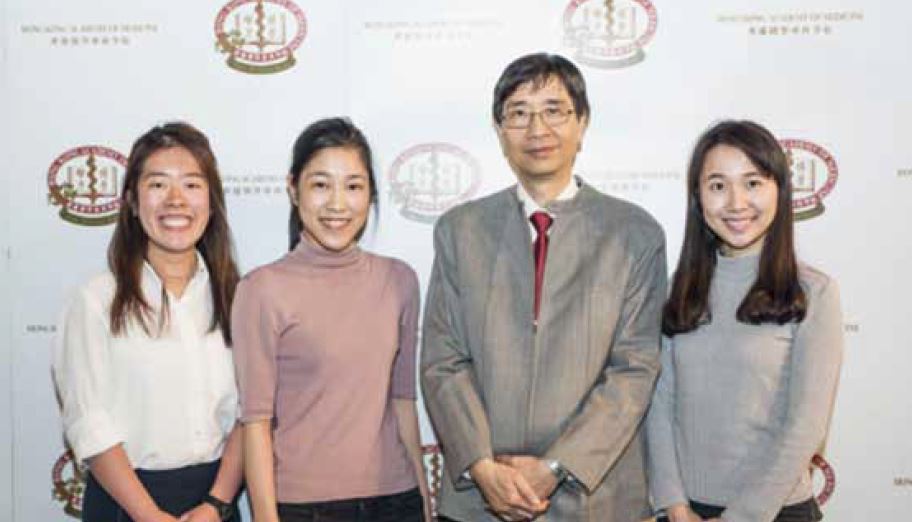
Prof Yuen was interviewed by the journal’s student reporters after his oration at the 25th Anniversary Congress of the Hong Kong Academy of Medicine (from left): Joey, Hilary and Venice
 

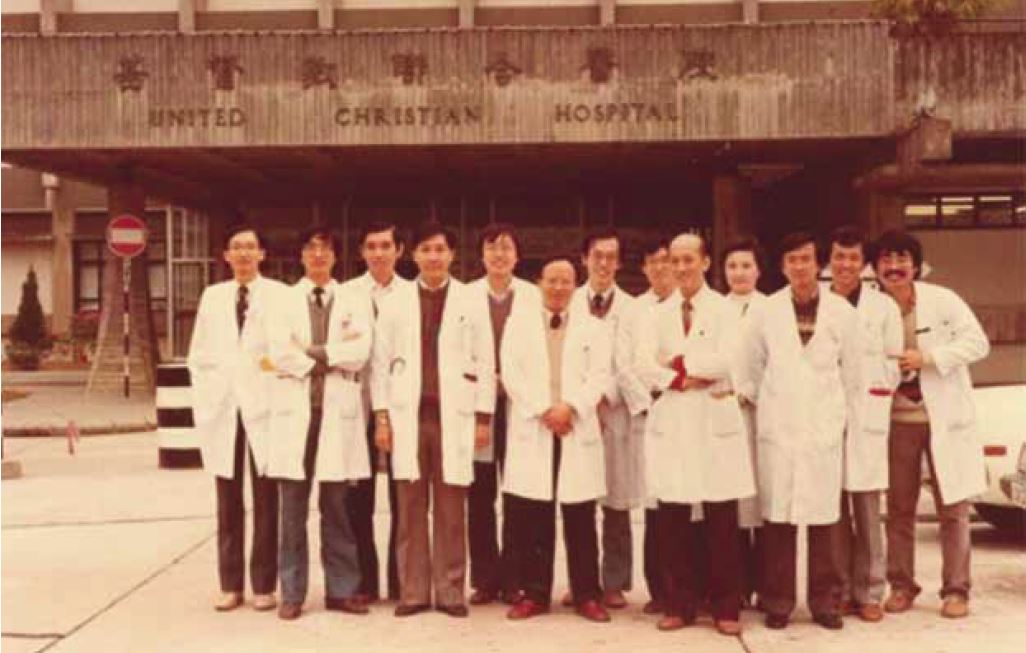
Prof Yuen (second from left) when he was working in the Department of Surgery in the United Christian Hospital. Back then, his boss was cautious about him, as he was perhaps too overconfident in his daily clinical routines. Note that in this photo, even his posture is too confident, as he shares the same posture as that of his boss
 

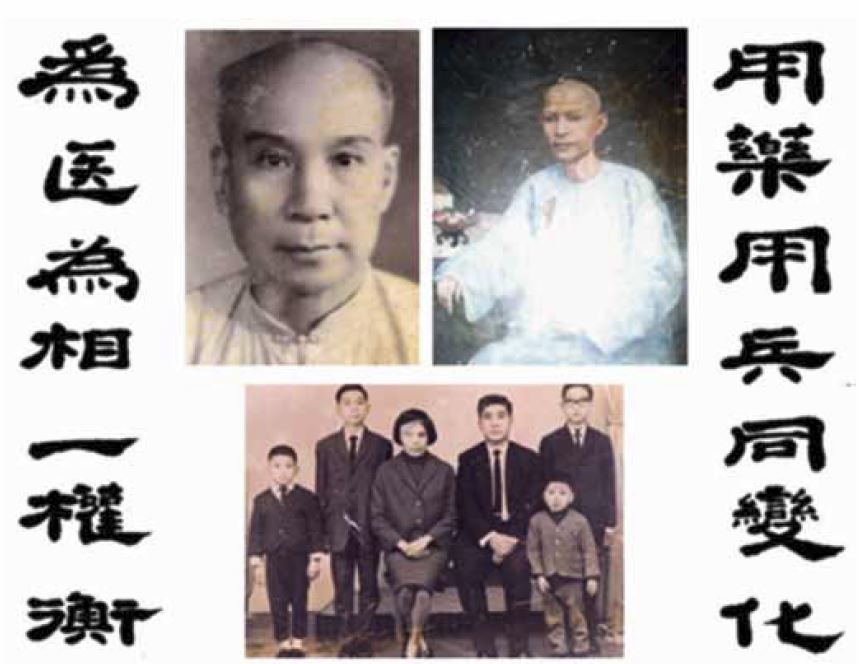
Both his grandfather (upper left) and great grandfather (upper right) were traditional Chinese medicine doctors. The couplet is a motto which his grandfather taught him since he was a child. He (the one with glasses) grew up with his parents and three brothers (lower middle)
 

Pages